Music Business: The Mistakes and Decline of Potential – Kelly Rowland’s Ongoing “Here I Am” Tragedy

Kelly RowlandA little over two months ago, 2020k purchased the Deluxe Edition of Destiny’s Child group member Kelly Rowland’s third solo release, Here I Am. It was an interest in the R&B  single “Motivation (Featuring Lil’ Wayne)” and fusion of prior Pop/Dance releases and collaborations with David Guetta that impacted the United Kingdom’s music charts and United States clubs. Plus, our love and adoration for the content, mainstream R&B production, and respectful mixing techniques applied to her records recorded with Destiny’s Child and previous solo releases Simply Deep & Ms. Kelly had us built up and ready to experience yet another aurally pleasing, empowering, and sonically honest album by the songstress.

While fragments of empowerment, confidence, and bold vocal presentation greatly impressed us, we unfortunately gave the record a less than stellar two-out-of-five rating, citing inconsistent mixing techniques, over-compression, borrowing similar sonic concepts from her contemporaries, and heavily relying on synthesizer sounds, percussive samples, and other musically structural elements that could be associated with a sound that is equivalent to badly programmed virtual instruments that created the illusion of an overall cheapened production value throughout the entire disc as the reasons Kelly Rowland’s release fell flat.

It was with those reasons that we blamed Rowland’s team as opposed to Kelly herself for all of the mishaps on the disc and as the promotional and marketing campaign for this album advances, it’s done nothing but further build poor execution after poor execution of desperation in searching for answers in the loss of knowing how to handle and take care of the current state of of Kelly Rowland’s career.

The puzzle pieces all seem to fall apart with Jeff Rabhan who replaced Matthew Knowles as new manager to Kelly Rowland in 2009. Interestingly enough, Jeff Rabhan also manages Lil’ Kim, KoRn, and Jennfer Lopez – three artists who have had a rough time in the passed couple of years staying true to the ingredients that catapulted them to stardom and have been switching up their games and style in order to recapture that original light (see KoRn’s latest collaboration with Dubstep artist Skrillex or Lil’ Kim’s Paypal released Black Friday mixtape). Regardless of Rabhan’s clients, it’s easy to see why Kelly would split with Matthew – especially through several incidents where Destiny’s Child bandmate and manager’s daughter Beyonce Knowles would be featured on award shows on the same night Kelly would be, which would consistently end with Beyonce having the spotlight, with one incident at a previous BET Awards show having Beyonce perform a song and Kelly Rowland being shortly featured along side the rest of Destiny’s Child members (and Beyonce’s sister Solange), unable to water the Ms. Kelly project with the performance of her song “Like This” being an aid to the Beyonce performance.

Kelly Rowland Here I amAnyone wanting to spread their wings as an artist wouldn’t want to be subjected to that, especially coming from a friend’s father, but it doesn’t seem like Jeff Rabhan is any better of an asset to ensuring a blossoming pop figure. Most of the mistakes made during the Here I Am campaign so far start right at the beginning when the album’s debut single “Motivation” started catapulting to radio, reaching over a million radio listeners, becoming the number one added Rhythmic song (#2 most added Urban) before going to radio ads and debuting on the Billboard Hot R&B/Hip-Hop charts at number 55. It’s continued uphill climb eventually saw the song hit number 1 on that same chart and hold steady at respectful 17 on the United States Hot 100 chart, and an estimated 909,137 copies sold on iTunes (stalling at #23 on it’s chart). These numbers are extremely impressive for a United States debut single, but taking a look in the YouTube comments section and a few forums around the net, many listeners of the song originally thought the record actually had one of Rowland’s contemporaries Keri Hilson singing on the track.

Lack of promotion is anyone in mainstream music’s downfall and there was absolutely no trace of Kelly Rowland’s name or association with “Motivation” to her until it’s stunning live debut at the 2011 BET Awards on June 26th, 2011 where it was featured and overshadowed from it’s full potential by being included in conjunction to a Trey Songz performance.

Not only was the performance sheltered, but also hindered the song’s potential by debuting the song on television two months after the success of the song started to take off back in April. With Keri Hilson’s “Pretty Girl Rock” peaking on the charts in Feburary of 2011, it was an easy mistake to casual listeners to believe that the unexpected hit “Motivation,” a polished R&B track with strong female vocals and sexually empowering lyrics was only a follow up to Keri’s smash. An easily avoidable incident if management would have started booking press, appearances, interviews, and performances that would have partnered Rowland’s name to the song.

“Motivation”‘s saving grace was it’s feature of the male rapper to go to, Lil’ Wayne and it’s accompanying video, released on April 5th, 2011 which is currently up to 40 million views on YouTube, comprised of Ms. Rowland performing very tight and over-sexually stimulated choreography with dozens upon dozens of half naked male dancers. Media interest peaked while bloggers and long time fans became enthralled with the new direction and authentic feel of the Sarah Chatfield directed (Lily Allen, Livvi Franc) sexed up video, which is arguably the main reason for the explosive positive response to the single.
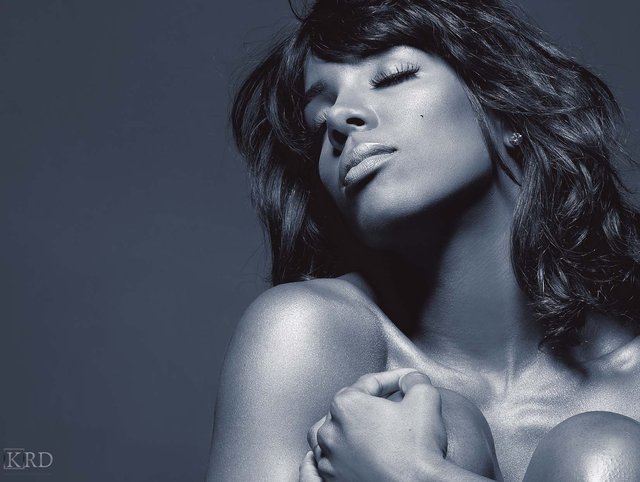
Kelly RowlandUnviersal Motown then stepped into the picture and announced the release date of the record: July 22nd, 2011 – while it was moved up form an original fall release, it still sat on the shelves of manufacture warehouses until three months after the success of “Motiation” and a refusal of promotion until the aforementioned appearance on the August BET Awards. It was just enough time for “Motivation” to start it’s gradual decline from the charts and by the time Here I Am debuted, it had moved a dismal 77,000 copies, debuting at #3 on the Billboard Top 200 Albums chart.

Since the record’s release, it’s moved a grand total of 151,000 records in the United States (as of September) and unfortunately isn’t looking like it’s going to do much more of a dent as far as making an impact on the 2011 mainstream music scene. After the release of the record, promotion and marketing once again stalled and instead was filled about with rumors of which single would be next and what type of material would be included on the international release of Here I Am which is due out November 28th 2011 off the heels of her taken position of judge on the United Kingdom’s version of X-Factor and is another marketing technique gone wrong, as the album should have been released with the premiere of the show (please see the same thing happening to Pussycat Dolls’ front woman Nicole Scherzinger who is a judge on the American version of the show and is desperately trying to squeeze in press for her debut solo album).

There is still no word of the track listing of the self-described “up-tempo, dancey” version of the record and singles have just begun pouring out in the Untied States, starting with the Big Sean featured “Lay It On Me”. Word on the promotional video for the single started making it’s way into the internet with blog blips of an elephant named Suzy who “appeared shy and demanded cookies” on the set. It was something humorous to hype the fans and prepare them for the overall third single released from the project, but a delayed release worried listeners that the time taken to shoot the video would hinder the project’s overall press and radio hype, which was happening as initial impact of “Lay It On Me” was steadily climbing, once again becoming the #1 added song to urban radio, but fading away fast, currently charting below “Motivation” on the iTunes chart (Motivation @ 103 & “Lay It On Me” @ 124) and on the Billboard’s Top Hip-Hop/R&B Charts (“Motivation” @ 15 & “Lay It On Me” @ #47, slipping from it’s peak position of #43).

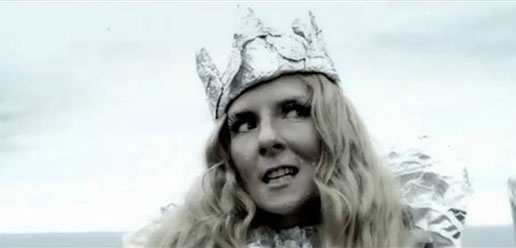
“Lay It On Me” debuted it’s video on YouTube October 12th, 2011 and while most of the comments lead to viewers still commenting on the over-sexualisation featured in Rowland’s videos from this era, it’s the only thing this video gets right. The rest of the video is a poor attempt at sexual innuendos including Kelly getting down with Suzy the Elephant (if you got a big ELEPHANT NOISE, let me search ya) and yes, she suggestively plays with a Slinky throughout the song’s run. Beyond that, it’s a video comprised of Kelly behind dull backdrops, including one that looks like foil, and is a video that overall falls flat upon the song’s pop oriented behavior and has done nothing to save the song from the failing life support it’s on, on the U.S. charts.

A few days later, word and screen caps of “Down For Whatever” the next single for the United Kingdom began to leak and interestingly enough, comparisons between Wynter Gordon and Rowland began to pop up on the internet. Comparisons were made upon Here I Am’s release that Kelly  seemed to be channeling the R&B, Pop/Dance infusion that Wynter’s EPs and singles possess, but a resurface between the two was brought up when several screen captures were placed side by side between “Down For Whatever” and Gordon’s “Believer” video, in which several scenes looked like complete ripoff’s of the “Believer” music video. It’s a fact to be taken with a grain of salt, (after all there is a hysterical Tumblr blog dedicated to celebrities who “ripoff” R&B star Brandy) but another one that defends the case of Rowland deriving influences from her contemporaries, that ironically derive influences from Rowland herself, and looking at the two videos side by side, it’s too coincidental to completely ignore.

It’s an unfortunate case that a musical veteran has had such trying times with singles that hold so much potential to have a lasting impact upon the Mainstream Pop/R&B audience in 2011 and an even more unfortunate case that it’s the team behind Kelly Rowland’s current career that these mishaps keep appearing throughout the campaign for Here I Am. With Universal Motown folding and having Kelly’s career moved to another record label once again, it’s a tossup from what will happen with this album domestically and overseas, as well as what future projects from Rowland will look like, but lessons are hopefully being learned by the new team behind Rowland and lessons learned within Kelly herself.

A successful return to being our commander and making us bump like this is uncertain, but one we are all holding our breath for. It’s an ongoing dilemma…and one music business disaster we hope to not see repeated.

EDIT: For a more less number analytical based critique on Kelly Rowland’s Here I Am era so far, please check out Soulbounce’s latest article on the video for “Down For Whatever” – the writer echos our sentiments perfectly. Click here to be taken there.

(A big thank you from 2020k to everyone at UKMix forums, Bradley Stern from Muumuse, Billboard.com current chart information, Rap-Up.com, Zae, and Kyon for their information).

Posted in Music Business | Tagged , , , , , , , , , , , , , , , , , , | 3 Comments

Listen: Massive Attack Vs Burial – Paradise Circus Remix

Massive Attack Vs Burial - Four WallsA few days ago we introduced you to the anticipated upcoming 1,000 copy limited edition vinyl release by Massive Attack & Burial entitled Four Walls/Paradise Circus and it’s “Four Walls” Track uploaded by the official Massive Attack Vs Burial YouTube account. A few days later and upon the rumored October 18th, 2011 release date of the project (which was unfortunately untrue as far as a digital release as no outlets seem to be featuring the product) we have YouTube user Mroilgizzle to thank, who ripped the remix of “Paradise Circus” from Mary Ann Hobbs’ XFM show and uploaded it to his account for our listening pleasure.

Unfortunately, radio signals carry extremely compressed audio out of their stations as a means to present a louder signal into the atmosphere to reach a further distance and wider audience, so the presentation of the song on Mary Ann’s show was already loud enough. Combine this with the encoder used to rip the song, then convert the song into an audio format. Add that with the conversions used to turn the audio track into a video file, then finally YouTube’s conversion process and you have the end result of the upload, which sounds…well, like a standard ripped track. All of the elements of the track are present, but the dynamic range and full potential of the track are squashed and as a result, 2020k will wait until a proper version of Four Walls/Paradise Circus is released to give the track it’s full review.

Or, you know, if you ordered the vinyl, 2020k will gladly accept gifts as opposed to logging onto Ebay and shoving out $247 USD for it (which is for what one just went for).

And while we can’t tell you an exact date for a digital release of this project (check our Twitter, we’ll be sure to update you), what we can do though is disclose that according to the comments on this YouTube video loads of people have had their orders cancelled due to The Vinyl Factory accidentally taking too many orders for this project. While we are blown away by this fact, it’s absolutely not surprising – both of the tracks on this vinyl are brilliant.

Listen for yourself.

Posted in Sine Wave | Tagged , , , | 2 Comments

Album Review: Emika – Emika

Emika - Emika CoverIn an interview with Pulse Radio, Electronic music producer and artist Emika voiced her concerns toward the beginning of her career about possibly imitating artists and sounds she liked as a means of searching for a signature sound, even demanding money from her label Ninja Tune. Through this time period, plus several releases and a compilation album called Fünf inspired by field recordings she compiled into a sample library and distributed to artists & DJ’s, we have her eponymous-titled debut release, Emika. A record filled with an eclectic infusion of Electronic programmed beats samples, synthesizers, and even subtle classical music influences that for sure separate Emika from her influences and put her into a musical category all on her own.

A nice introduction to the overall sound and mood the UK based artist has to offer is a more dark and sparse track that highlights several of the genres Emika successfully manages to incorporate into her work. “Professional Loving” contains an overall feel of Downtempo Electronic music, a Trip-Hop and Dubstep hybrid, with inklings of smartly programmed synthesizer work. Abstract lyrics and haunting vocals make their way known through the beat and are comprised mostly of upper frequency equalization work to create a difference and standout appearance amongst the mud and dirt the beat has created for itself.

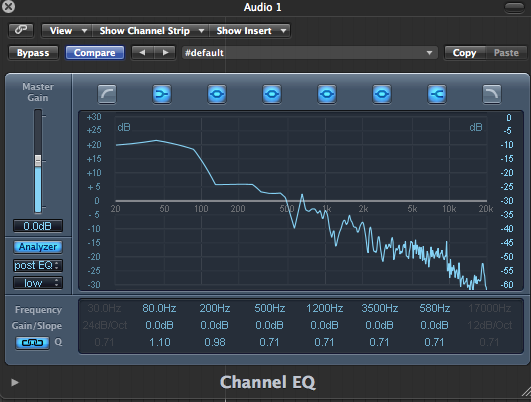
Emika 3 Hours EQ Analyzer

Logic EQ plugin, analyzing the frequencies in "3 Hours"

Dirt and mud can either thrive or break a track. “3 Hours,” one of the album’s most straight-forward infusion of dark Electronic and Dance music is the track opener and quickly puts a perspective of the good and the struggles of the debut album. While it’s smartly produced from a song structure and lyrical standpoint, it unfortunately suffers extreme engineering

Emika 3 Hours Meter

"3 Hours" clipping

difficulties, most likely due to a poor mastering job that causes suffrage through the majority of Emika. Lower frequencies completely take over the mix of this track and bombard the speakers at such a high voltage that it’s enough to cause three stereo systems that I tried the disc out on and two car stereo systems to go absolutely mental, pounding and working hard to translate the frequencies and pump them through the air, but in the end coming out distorted and at times burying the rest of the mix.

Instrumental track “Be My Guest” also semi-suffers from an interesting approach to the mixing and mastering of Emika, with the majority of the sounds being compressed and at the front of the mix. Loud and ready to attack you, which takes away from an otherwise purely experimental and unique song, that comes very close to capturing the essence of electronic song production.

To better understand my gripping on if the overwhelming bass sound was just a biased opinion, my non-musically/engineer trained brother was asked impromptu style (which we’ve successfully done before and time again) his opinions on several of the tracks. The response after the initial shock that his car windows were actually shaking back and forth from the bass was “The frequencies stay the same. Nothing is really changing”. If you translate and analyze that into geek speak, it’s meant that everything in the mix is loud and that the bass is at times overwhelming so that it feels like nothing is changing musically, that the dynamic range stayed at a constant loud. And it’s proven through the TT Dynamic Range Offline Meter that every single one of the tracks featured on Emika clips in someway and while it has a semi-safe rating of about 7dB of Dynamic range throughout the entirety of the record, headroom is still squashed. He eventually reached for the EQ settings to turn down the bass setting.

EmikaIn positive light, my Dubstep-loving, Metal music obsessed brother did enjoy the debut single from the album, “Drop The Other”. His response upon hearing this track was that it was the best out of the two and that “the bass sounds fine in this one” and it’s true. “Drop The Other” is one of the standouts on Emika’s first release in that there is a lot more to latch onto instead of a noisy bass. The beautiful opening piano, complete with being able to hear the mechanics of the hammers hitting the strings of it, and a Glitch-esque percussive opening is a great start. It’s the upper frequencies of these instruments and high-frequency equalization of Emika’s vocals that provide a nice and effective contrast against the dark, brooding, and constant lows.

Throughout all of the technical downfalls of this debut, if you strip the songs down to just their music and lyrical structure – it’s an absolutely gorgeous piece of art. Constantly compared to Portishead’s lead singer Beth Gibbons, the emotion and words written and sung are some of the finest released in the Electronic genre this year, sitting in nicely along side related acts, where lyrics of despair and uncertain love flourish among the smarty programmed beats. “Count Backwards” contains the eerily “I plan on turning back but I can’t say no. [I] was leaving from the start. I plan to swap your pennies for my thoughts one day, I’m counting backwards ’till then” and paints a perfect abstract picture of thought exchange is aided perfectly with reverberated vocals that mood the track up to a darker one.

Though the piano inklings of Emika’s classical music background are sparse, they’re not completely unrepresented. A piano-only break and soundtrack-music vibes are elegantly presented on the album’s closing instrumental track, appropriately called “Credit Theme”. Engineered perfectly, with an absolutely beautiful DR14 rating from the Offline TT DR Loudness Meter, it relies almost 100% on melodic content and song structure alone, giving a great comedown and slow end to the narrative-inspired songs Emika has uniquely programmed and put together to make one nice standing debut album.

Album rating: 3/5

Let us know what you think of the record in our comments section below! 2020k is proud to present an upcoming interview with Emika. Please feel free to submit your questions through our Twitter or Facebook page and give us a like and a follow so you’re first in line to read what she has to say about her debut, amongst other subjects! (You can also ask a question in the comments section if you’d like).


Purchase Emika (With Bonus Track)
[iTunes]
Purchase Emika CD [Amazon]
Purchase Emika Vinyl [Amazon]
Download free ‘Drop The Other’ (Scuba’s Vulpine Remix)’ [Ninja Tunes’s Website]

Posted in album review | Tagged , , , , | 3 Comments

Massive Attack Vs Burial track “Four Walls” Surfaces, Limited Edition Vinyl Copy Pre-orders Sell Out Fast!

Massive Attack Vs Burial - Four WallsIn 2009, Massive Attack’s Grant Marshall got all of of our Downtempo loving hopes up in an interview with Clash Music stating that Dubstep/Ambient Electronic artist Burial had been given access to the band’s latest release Heligoland and was to give it the the full remix treatment in the same way that Mad Professor had given to the band’s sophomore album Protection (which Mad Professor adoringly titled the Electronic-dub inspired album No Protection). Later, he would retract those statements stating he had one too many drinks when he made them.

While that retraction sure made an alcoholic out of the thousands upon thousands of fans eagerly awaiting to hear the record, we finally got what we asked for in a mini-package with the release of a 1,Limited Edition vinyl containing a a remix of Heligoland’s “Paradise Circus” and a Massive Attack Vs. Burial original track entitled “Four Walls”.

Interestingly enough, the band has released these Limited Edition, 1,000 copies pressed vinyls before with Splitting the Atom EP and Atlas Air EP both waiting a few days before finally selling out. The Paradise Circus/Four Walls record begun taking pre-orders on October 10th and as of yesterday (the eleventh) all one-thousand copies have been snatched up..and rightfully so. We are talking about Electronic music’s most looked up to veterans coming into contact with Ambient-Dubstep’s pioneer so it’s to no ones surprise that the response to this project has been quite massive to say the least.

Currently at 73,000 views on the official Massive Attack/Burial YouTube page, “Four Walls” is an outstanding 11 minute and 58 second trip into an extremely dense ambient landscape that holds more hints at a Burial sound than a Massive Attack one, but both influences can clearly be heard throughout the song. Rain, thunder, a warped atmosphere, and pitch shifted vocals create the mood for a signature Burial sound, while gritty and dark delays, reverbs, and bass-lines make way to the sound that Massive Attack has been known for since their Mezzanine days.

Rumors are that Hope Sandoval, who contributed vocals to “Paradise Circus” is also the vocalist featured on “Four Walls”. We’ve yet to confirm or deny this and do not have a copy of the record on our hard drive to mess with the pitch of the vocals yet.

As of right now, the only available way to listen to the track is through the official YouTube account, and while we don’t have a full resolution version of the track yet available, we are looking forward to the tentative October 17th, 2011 digital release of the two song project to give you a full review on the two tracks!

For now, close your eyes and take a listen to the track below. Dare I say it’s too short? And brace yourself for the three & nine minute marks. They’re jaw dropping.

PS – For those of you who had a chance to pre-order the vinyl before it sold out, as an owner of the Atlas Air EP 2020k would like to say that you are in for a treat! The glitter-artwork, done by Massive Attack’s Robert Del Naja is absolutely beautiful looking and the vinyl itself sounds great! For those of you who are kicking yourself for not finding out soon enough to catch the pre-order..I’m with you. Let’s mug someone before they sell it on E-bay for a few hundred dollars.

Leave a comment below letting us know your thoughts on the track!


Preorder the vinyl [Sold out]
Download the Project [October 17th, 2011 – Rumored date]

Posted in track review | Tagged , , , , , , | 2 Comments

Infrasound Album Review: Boreal Network – Means Business

Boreal Network - Means BusinessWelcome to 2020k’s second official edition of Infrasound: A word used to describe frequencies underneath the human hearing range. In this way, we hope to bring under the radar, unsigned, and independent music to your attention to get word out about those works of art that are needed to be heard among a larger group of people.

Listening to Means Business by Boreal Network is like opening up an instructional VHS on how to work a retail job and finding that halfway through the video someone has tampered with it to expose the corporation and your job for the corrupted and degrading business it is. It articulates the narrative in an extremely sophisticated and effortless manner and is in the running to become one of 2020k’s best albums of 2011.

Means Business, released September 12th, 2011 is the work of Nicole Johnson based out of Minneapolis, Minnesota and is a nine song collection of  instrumental electronic concept music based upon the corporate art aesthetic that demonstrates both the positive and negative outlooks, using mainly warm 80’s sounding synthesizers and Boards of Canada influenced warped speech effects.

The album’s opener, “Corporate Training Video” is one of two songs that successfully utilize speech and is one of the more beat driven numbers that demonstrates how well the percussion is mixed through the entire record. There’s never a time throughout Means Business where it feels like these parts of the tracks are over-compressed, but instead the treatment offered to the rhythmic sections of the tracks help direct more focus and drive to the song. Every kick drum has a nice punch to boom factor, every snare drum contains a peak force, and the supported percussive elements appear through lightly distorted and occasionally phased and filtered sounding hi-hats and other off-beat rhythmic electronic elements.

In the same vein, “Corporate Training Job” also has the best mixed track all around with balance in frequencies between the different instrumentation and has a great composition that smartly has one synth playing eighth notes, one playing sixteenth notes, and one lead synth-pad playing a beautiful melody of mostly whole notes that has the bass following it and is the glue that brings together all of the rhythmic sounds featured within it.

Problems arise through some of the records tracks through means of distortion. Though unclear if it’s all purposefully left into the tracks to demonstrate the deterioration of the surface level optimism that corporations often give the impression of, it’s somewhat distracting on tracks like “Benzene Alert” where frequencies seem to clash with each other from time to time and cause problems with distortion at some of the attack of the synths.

Not to worry though, it’s tracks like one of the more emotional and album defining “Sulfide Impact Statement” that lift Means Business up again and create a cohesive and flowing track based off of synthesizers, light percussion, and heavy bass sound. It’s one of the more sparse tracks as far as composition and structure goes but everything works so beautifully with one another melodic and rhythmically that even though there is a distortion effect toward the middle of the track it seems to fit right in amongst the hope filled track and offer a darker feeling of defeat within it.

Means Business & Boreal Network both mean some serious business so what the hell are you waiting for? Your way-too-short of a lunch break ended five minutes ago and the boss (that’d be me) is telling you to head over to the Creative Commons based Retronym website and download this album FOR FREE or you are fired. Eleven albums are featured on Boreal Network’s official website and if they’re all as well put together and aurally pleasing as Means Business then it looks like we’ve got some catching up to do.

Album Rating: 4.5/5

Download the album for free [Retronym]

Posted in album review, Infrasound | Tagged , , , | 3 Comments

Moby to release Deluxe Edition of Destroyed, Iamamiwhoami to remix “After”

MobyAccording to Antimusic.com, our favorite Little idiot Moby is geared up to release a 3-disc Deluxe edition to his newly released, isolated, tour-picture inspired Destroyed (which we reviewed upon it’s release). The marketing and thought behind the record is one obviously put together on the basis of a repackage/re-release ordeal. Normally, we wouldn’t create such a big ordeal about the re-release, but Moby already has three different editions of the record already out, making this deluxe edition, due out October 31st, 2011 look like one final attempt to rake in album sales before moving onto the next project.

This isn’t the first time Moby has used this marketing technique. 2009’s Wait For Me was released in a standard edition, deluxe edition, ambient edition, deluxe ambient edition, instrumental version of the album, several remix album releases, and an NPR inspired “Gone to Sleep/Wait For Me” single release. Since this is the second time the critically acclaimed Electronic musician is using the business model, we’d be interested in seeing how much revenue is actually achieved by spitting out records in these more than multiple types of formats, as the recording industry is still suffering from lack of physical album sales.

Regardless, it’s quite a nicely put together package and you can preview the Re-Deluxe edition of Destroyed here. It’s filled to the brim with a disc full of B-sides and a DVD of the videos released from the record, live concerts, interviews, behind the scenes features and more. According to MobyNews, the deluxe edition will also contain more than 20 new photographs, continuing the visual theme that the album originated off of.

If that’s not enough for you, sit down because I’m about to announce something you’re going to get lightheaded from because of all the excitement it’s about to induce:

IamamiwhoamiLET US SING HERE FOR A NEW BEGINNING. THE ALMIGHTY IAMAMIWHOAMI HAVE BEEN COMMISSIONED TO REMIX MOBY’S TRACK “AFTER”.  CAN YOU HEAR MY 10kHz SHRIEK OF EXCITEMENT????!!!

The track hasn’t been released yet, so we can’t “tell you how the story ends now,” we can tell you that the double A-side single (“After” & “The Right Thing”) will be released December 12th, 2011. We don’t think we can wait that long but will definitely be sure to post the Iam remix as soon as we get our hands on it. For now, take a listen to the Ferry Corsten Fix Remix of “After” below so that the people sitting next to you think you’re bouncing to some nice beats, and not your uncontrolled excitement for our favorite Tree Lickers to get their hands on an Electronic veteran’s track. (We’re so proud of you, Jonna & Co!!!!)


Purchase “After (Ferry Corsten Fix Remix)” by Moby @ Beatport.com

Preorder the Deluxe Edition of Destroyed at Amazon.com

Posted in Music Business | Tagged , , , , | 2 Comments

2020k Infrasound: Origamibiro – Shakkei

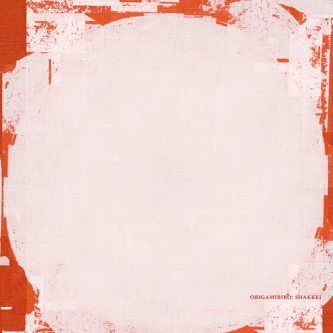
Shakkei album overWelcome to 2020k’s first official edition of Infrasound: A word used to describe frequencies underneath the human hearing range. In this way, we hope to bring under the radar, unsigned, and independent music to your attention to get word out about those works of art that are needed to be heard among a larger group of people.  Our first matter of business? Origamibiro’s newly released album Shakkei.

We first reported on Origamibiro almost two months ago, reviewing and going absolutely insane over the release of their beautiful organically tinged single/video “Quad Time”. It’s with this follow up entry that we are proud to announce the album, Shakkei is exactly what we’d hoped and dreamed for: Sonic bliss.

Shakkei, which is a Japanese word for borrowed scenery (i.e., mountains, trees, and other landscape elements that are not actually part of a garden, but can be seen from the garden and form a backdrop to it) is an extremely fitting title for the record put together by the audio/visual Nottingham trio. Not only is the album extremely organic sounding to begin with, using various brass and string instrumentation through the nine song venture, but also paints a beautiful aural landscape by using various textures and atmospheres that move us from song to song. Wind, rain, machine sounds, and other recorded settings create an ambiance that sets Origamibiro apart from other musicians in their field. Whereas artists will use these types of plugs to set up or take down beginnings and ends of their musical pieces, Shakkei’s aural states stay constant throughout the tracks they’re featured in, becoming a staple and playing a main role through them, becoming just as important to the track as the other instruments within it.

Though the feeling of true life scenery is a main focus on Shakkei, Electronic music undertones are still very much present and essential to creating the musical visions told through each song. Sampling, sequencing, and programming lay the foundation for most of the musical structures, especially through means of building up percussion sections. Conventional kick drums and snare hits are replaced through the bulk of Shakkei with more practical objects, such as pieces of paper being crumpled and ripped through “Ballerina Platform Shoes” and in “Nootaikok” it sounds as if a ball is being bounced to create the sound of a higher frequency kick.

Although the album revolves mostly around a rainy day, hopeful melancholic mood, the abrupt start to “Dismantle Piece” is sure to give a quick charge to a listener unprepared to hear the start up of a machine that runs through the song. It’s a start up that is quiet loud, but isn’t due to compression, so it’s an abrasive dynamic that sounds great and leads the way into the eerie beginnings of the track, which build up melodically and pause slightly for a high pitched frequency, which fades into mournful, drawn out string melodies, that play out the rest of the song. A fine stand out among the record.

“Brother of Dusk & Umber,” the album’s closing track best represents what the band can do when placing their musical talents under larger magnifying glass than the programming-focus the aforementioned tracks feature. A semi-distant sounding piano plays a lush melody with an authentic sounding reverb and nice reflections aiding to an overall larger and more emotional sound. The mechanics going on inside and around the piano are also recorded and pushed up in the mix to create a more diverse texture, so once the long and flowing strings come to life, everything from the engineering, mixing, mastering, composition, and playing of the instruments is exquisite that it shines as the prime example of “less is more”. There is also a lone sound at 1:52 that sounds like someone moving something, dragging out a string sound (or even more reaching: a dog bark) panned a bit to the right of the stereo mix. Whatever the case may be, it’s a wonderful subtle touch.

We’re still waiting for the Remix disc (they’re just waiting on Plaid’s take on one of their songs to be sent in), and the limited edition DVD release of Shakkei, “featuring the full album in multiple audio formats including surround sound and hi-definition stereo and an accompanying video archive of past promos, live excerpts and av experiments,” but in the meantime, the digital copy (or more pricey physical version) of Shakkei is enough to bring our full attention to Origamibiro and their visual member Joy of the Box and will be anxiously waiting to report their happenings and future projects as they roll out.

Speaking of, 2020k is proud to announce an interview with the band! We will be submitting our questions in just a few days, so if you have any for them please feel free to Tweet us or leave one on our official Facebook page!

Album rating: 4/5

Check out the album teaser below and buy your copy from iTunes or Amazon!

Posted in album review, Infrasound | Tagged , , , , | 3 Comments

Album Review: Tori Amos – Night Of Hunters

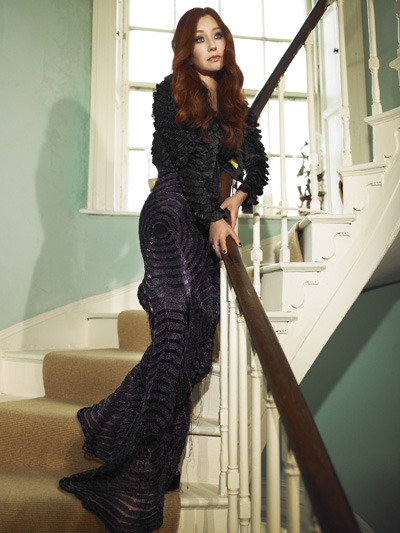
Tori Amos - Night Of Hunters“I wanted to explore the feeling that relationships right now can be very disposable. People call their divorce attorney so quickly — and I’m not saying that divorce isn’t the answer for some people, because it is — but, I do think there are people that don’t really want to look in the mirror and look soon enough.” -Tori Amos, Huffington Post Interview

It’s safe to say alternative rock veteran Tori Amos was a bit nervous when the prestigious Deutsche Grammophon record label commissioned her to record a 21st century song cycle based upon classical music pieces from the some of the greatest composers of all time. In a recent interview with The Independent she made the statements “I mean, how often does a woman get to fiddle with the masters’ source material? I wanted to do it for womankind, but I also knew the stakes were high. If you get this wrong you can’t shrug it off like a bad night at the karaoke.” and that same cocktail of enthusiasm stirred together with jitters in several other conversations during the press of this album. But can you blame her? Afterall, the songs on Night of Hunters are adaptations from well known compositions from Bach, Satie, Chopin, and Debussy just to name a few.

It was not only the approach to composing songs off of these composers that caused anxiousness among those involved in the project, but the subject matter of the song cycle, about a woman who has been left in the dying embers of a failed relationship and spends the night searching for answers within herself and through conversations and advice from a shape shifting creature named Anabelle, who makes herself known on the record through several tracks by the voice of Tori’s 11 year old daughter Natashya “Tash” Hawley. In another section of the Independent interview, Tori exclaims that her husband Mark Hawley, who is also the recording and mix engineer for Night of Hunters and has been a part of Amos’ recording process since her sophomore release Under the Pink, expressed a rather hysterical display of worriment, stating “‘Jesus, wife! The press will have us divorced after the first week’s promo!'” Tori followed it up with “..the truth is I’m crazy about him. We’ve weathered a lot of storms and outside forces, but we’ve been together 16 years.” and later, in Spinner “They can think whatever they want. I don’t care. As long as we’re still kissing inappropriately in the kitchen and [my daughter] Tash yells at us to get a room, it’s fine.”

Even through all of the wishy-washy feelings Amos has presented through various means of conversation, Night Of Hunters, her 12th album finds the songstress going back to basics. The album is completely stripped of any electronic instruments, synthesizers, and percussion samples that we’ve come to hear a lot of within the sonic realm of Tori’s world, and instead focuses on an album more similar to her first two records Little Earthquakes and the aforementioned Pink. It’s a completely organically recorded record, completely acoustic and ambitiously put together with an extreme focus on translating the musical themes found within the album in the most respectful and authentic manner possible. Musicians were recruited from the Apollon Mustagete Quartet and The Berlin Philharmonic principle clarinet Andreas Ottensamer and specific arrangements were made for them, as well as other miscellaneous strings and Woodwinds by John Philip Shenale, who had assistants copy and proofread the work before even presenting it to the individuals who had to play it. “I have to confess that it was bliss working with T on Night of Hunters,” Shaenale spoke to Popmatters. “We talked for at least one hundred hours about this record. The amount emotions and deliberations and ponderings and weighing was incredible. [This is] the most complex project I think I personally have worked on, from musical/dramatic perspective for sure, but what was evenheavier was the emotional investment—the dreams, the considerations of narrative. Every few bars mood changes slightly, very little is repeated.”

Reading through the work done to prepare for the recording of Night of Hunters may come off as ensuring the record comes off translated in a way that’s safe, but if you open the record to any great pop recording, from the large productions of Michael Jackson’s Thriller to the more modern, one woman powerhouse Speak For Yourself by Imogen Heap or hell, even Little Earthquakes, you’ll notice there are individuals involved in the making of such critically approved and fan adored releases that are pivotal to the success of the sounds achieved that make the experience of the album a memorable one. In this case, it’s the experienced classical minds that have come together to collaborate with Amos to transcribe the variations taken upon the classical themes in the best possible way to create a balance between the new terrains explored and the core of Tori’s musical body, which are the lyrics, the voice, and the piano.

Tori AmosThe balance is reached with flawless precision and you need to look no further than the album’s opening track to notice this clash of genres weaving an entanglement of complimentary melodies and phrases within each other. “Shattering Sea,” a loose variation on the sparse, moody Charles-Valentin Alkan composition “Song of the Madwoman on the Sea-Shore, Prelude op. 31 no. 8 breathes new life into the song by speeding up the pace of the original piece and giving it a more angst-ridden, heavy Bosendorfer piano riff drive with an even angrier, almost an anger-confusion hybrid feeling of emotion through the vocals that opens the record up in an abrasive and attention grabbing passion.

“That is not my blood on the bedroom floor. That is not the glass that I threw before” proclaims Amos over her keys and woodwind instrumentation. It’s a proven theory among fans that the opening tracks on an album from this woman are always absolutely astonishing and this is no exception. Sounding like a woman more pissed off than the one we find on Boys For Pele, it’s a mark on semi-familiar ground and toward the song’s end point, we find several stereo mixing techniques on Tori’s vocals, from the vocal doubling in the chorus, to the panning technique used during the phrases post-chorus that start with the word “every”. One phrase panned center with the next phrase being panned hard right to give a small call and answer, back and forth banter. It’s a subtle, but extremely effective use of a traditional mixing technique that creates a small bit of pop vibe through the rock and classic blend.

In fact, it’s easy to point out that the main point of focus of mixing techniques found on Night of Hunters are subtle and traditional. The truth is, strings, woodwinds, and piano aren’t in need of much help sonically – sometimes it’s best find the best means of mic placing and engineering the original recording as best possible, than the glitz and sparkle found within an emphasis on outboard gear and studio magic tracks. Mild compression is used within the instruments, but most of the time, despite the raised noise floor that’s periodically present through the mixes (which is refreshing to hear in a world where noise floor can be swept under the rug by means of filtering it out. The noise floor adds a certain traditional ambiance and is never in the way of the tracks), you wouldn’t notice, because the gain reduction is set perfectly to not allow you to hear the compressor working (so if you’re looking for a pumping effect, go elsewhere), but instead, act as moderate automation in volume for moments the instruments may spike up and peak at a higher meter position than wanted.

Tori AmosThe only real means of studio magic you hear are on Tash’s vocals, mainly the equalization of her voice and compression that helps maintain a steady vocal level, instead of having Tash’s dynamics stumbling all over the place. This is heard best on, well, every song she’s featured on and is partly the reason many of the tracks with Natashya sound a bit off to listeners who have complained about the presence of Tori’s daughter on the album. Most of the album, such as “Cactus Practice,” finds a call and answer, duet of sorts among the two ladies and the differences in how the two come together in the mix are described odd at best. Throughout Tori’s career, she’s always had a more direct focus on the lower and mid frequencies of her vocals, to give her more of a darker, more sturdy and demanding edge, where as Tash’s vocals are very light, very fluff, with frequencies extremely boosted in the upper numbers, from 2kHz onward. You can hear every click of the tongue, every syllable spoken, and every breath taken by the young woman and it’s because of that EQ and compression technique and even though Tash’s vocals may sound great on their own, when you place the two ladies side by side in the same song, the chemistry of the mix is slightly thrown off.

It’s also very likely Tash is using a Blue Bottle microphone on her voice, or one like it, which has an extremely good frequency response and is normally used for recording, well, basically anything. It’s emphasis on high frequencies translate great in any mix, but I doubt the same mic was given to Tori, instead, it sounds like a more standard ribbon microphone of a different manufacturer, which could also cause some issues when the two sources are placed in the same track.

Natashya doesn’t always sound out of place though, and thrives on the song “Job’s Coffin,” which is almost entirely a song of her own, save for a few lines here and there delivered by Tori. “Since time why do we women give ourselves away? We give ourselves away thinking somehow that will make him want to stay, make him stay” Amos laments honestly over the track based off of the group of stars found in the Delphinus constellation, looking down upon the two woman, asking what the protagonist of the story is going to do and go from this point in her life where the relationship has crumbled. The track is a more simple lyrical piece and delightful break from the Torism’s that we’re used to researching and scratching our heads at through most of her catalog of music.

Tori AmosSpeaking of Torism’s, look no further than “The Chase” a song based very closely off “The Old Castle” by Modest Petrovich Mussorgsky. The track finds Tori and “Anabelle” shape shifting into hares, greyhounds, fish, otters, “Flying Thing” aka falcon, and yes, the Anti-“Cornflake Girl” turns into a grain of corn. It’s an extremely exhausting listen, almost cheesy musical dialog-esque feeling and is one of the only full lyrical and vocal downfalls found within Night of Hunters. It sets up the departure of the two nicely though, with Anabelle leaving Tori with a Fire Muse, voiced by Tori’s more mature sounding 20 year old niece Kelsey Dobyns on the title track of the album. Her voice, although still amateur, is a bit lower and slightly more mature sounding and is a better match when paired up against Tori.

As we backtrack through the album’s musical themes, we find that the songs, once placed in their respective order once through, can be played at random, with a meaning, but no meaning is more directly clear than the beautifully short and effective instrumental “Seven Sisters”. It’s one of two songs that interpolates inspiration from Johann Sebastian Bach (This one, being “Prelude in c minor“), but strays extremely far from the original composition, offering a slower and more poly-rhythmic flow with the piano and clarinet offering a call and answer (are we noticing a musical theme throughout this record?) and playing off of each others melodies for a 2 minute and 47 second run. It brings together the duets throughout the record, the battling between each other and with oneself, and is yet, could be considered the free spirit of album, allowing itself to be the glue of the concept told in Night of Hunters, is a beautiful intermission to the album’s ending track “Carry,” which we reviewed last month, and a work of art able to stand on its own without knowing any back story.  This one easily goes down as one of Tori’s most stunning musical creations in her entire catalog to date.

Tori AmosThrough all of it’s critical acclaim it’s gained in the media, it’s possible Tori Amos fans are having Night of Hunters leave a bit of a sour taste in their mouth and it’s not too difficult to see where it’s coming from. We’re all used to the narratives, the brutally honest lyrics, and unapologetic absence of fear when attacking important issues not many artist’s would dare tackle in any section of the industry (how many times have you heard a bone chilling song like “Me and a Gun”? Not many..), so it’s a bit difficult to dive into an album so enthralled in the musicality of it all, the composition of it all, and having the music speak for itself while characters and situations arise in a long form narrative form, as opposed to having certain sections of the album dedicated to characters a la 2007’s American Doll Posse or a loosely post 9/11 based Scarlet’s Walk and having the lyrics and melodies be the driving force behind the concepts. There’s also the theory of not wanting an Amos-Family album of sorts.

However, it’s a much higher road Tori has taken on this journey through the night with us, and one that is more cohesively told if you listen to the full mind, body, and spirit of the record – letting go of all preconceived notions of what Tori Amos is about, and letting her, her piano, her collaborators, and the masters who originally wrote their soul into their work, all come together to weave together a perfect web of some of the greatest moving pieces in classical music history with a song cycle told through the words, mind, and voice of one of today’s most respected women in the music industry.

Night of Hunters will then be understood and able to “Carry” a beautiful torch of it’s own when sitting next to Tori Amos’ vast, eclectic and stunning wall of work.

Leave a comment below letting us know your thoughts on the album and follow us on Facebook and Twitter for the most up to date news regarding Tori Amos and your other favorites!

Album rating: 4.5/5

Purchase Night of Hunters [Amazon] – Currently only $4.99
Purchase Night of Hunters Deluxe [Best Buy]
Purchase Night of Hunters Deluxe [iTunes]

Posted in album review | Tagged , , , , , , , , , , , , , , , | 5 Comments

Aqua gets serious with “Playmate to Jesus” and return to perfect pop form

Aqua
Despite Denmark band Aqua’s cheeky, cheap pop Barbie girl sound they’ve come to garnish a reputation of, they’ve produced a catalog of slower, adult contemporary sounding songs throughout their career that have been criminally underrated and shoved to the side as to not taint their uptempo, campy image. I’m sure quite a few of you are scratching your heads, so before we review the single “Playmate to Jesus” off their upcoming Megalomania album, let’s do a small back story on some of Aqua’s more shining moments.

Trust me, you’re going to want to read on..

In 1998, the band released the song “Turn Back Time,” a wonderfully crafted downtempo-industrial influenced song from the movie Sliding Doors and their debut album Aquarium. “Be A Man” from the same record also displays a sense of maturity among the group. Unfortunately, that maturity vanished through their second release Aquarius, with the only inklings we have on that record coming from “Good Guys,” which doesn’t hold a candle to the previous candidates mentioned.

Thankfully, lead singer Lene Nystrom went off on her own and ensured she was more than a one trick pony by releasing Play With Me in 2003, which spawned the pop single “It’s Your Duty“. While the record was a bit more pop than what we’re talking here, songs like “Bad Coffee Day” and the Depeche Mode tinged  “Scream” slightly lifted the blinds again to display a darker side to the music that sits nicely along Aqua’s discography.

Unforunately, Lene & Co. came back in May of 2011 trying to reinvent the Aqua style with a sythpop/dance style song “How R U Doin’?” but utilized a synth similar to the Thor – SH Square Bass featured in Reason 4’s virtual instruments, which is one of the synth sounds present on Far East Movement’s breakout single “G6”. As a result, Aqua flopped.

Now, they’re back and picking up the serious side of things again with a slower, 21st century downtempo-pop masterpiece entitled “Playmate to Jesus” and our ears couldn’t be more pleased than to hear the band trying once more to produce a track of a more serious caliber. It’s quite possibly one of their finest productions to date.

They’ve traded in their cartoon filled production for a more serious synthesizer sound, string samples (Or perhaps a very good sounding virtual instrument, but we’re going to go with samples judging by how they’re programmed, they don’t change too much and when they do, it’s small note changes), wonderful synth bass and a distorted snare drum make their way into the extremely pop oriented mix, almost everything sounds to be at the forefront of the mix, but then again, we have a 192kbps version of the song, as it’s not available in the U.S. iTunes store yet, so the sound quality and dynamic range has been degraded quite a bit from it’s source.

One thing is for certain though, the vocal production, as with most pop productions featured on this forum, is ace. There’s slight delay throughout the entirety of the track and a small bit of reverb is present to give depth to the moody track.

“Forgive me, please forgive the things I’ve done, every little matters here, life keeps moving on. Everlasting energy shining all over me, falling into gravity, silence and emptiness.” Lene sings over the track and while we’re unsure of who has written the track, Wikipedia lists all four members of the band, and if it’s them alone, they deserve a round of applause. While there are several moments of camp still entangled within certain parts of the lyrics (“Take my hand and follow me, it’s magical, so here we go”) it’s a more toned down and becoming version of their former selves and a change that should be celebrated.

Lyrically, it’s very good, but melodically, the chorus sometimes sounds like it’s heading in a direction Lady Antebellum took on their mega hit “Need You Now” or Taylor Swift‘s “Love Story”. It’s not a direct melodic reference, so while it’s a downfall and one that could hinder the pop group the way their “How R U Doin?” synth did, it still stands on it’s own and separates Aqua from the direct-dance/pop ripoffs that are scrambling around the industry today (Cascada, we’re looking at you).

The only other complaint with this track is that the single version cuts off an entire section of the track, Rene Dif’s more spacious bridge and while it’s an understandable cut for radio time (the album version of the song clocks in at almost 5 minutes compared to the 3.5 single edit) it’s quite a different sounding track without him. More radio friendly, with the beat never giving up is what the edit sounds like – but that’s what they’re going for, right?

Still don’t believe us that this track is a good return for the group and for Pop music? Take a listen to the track below, notice the gorgeous Vocoder synth that comes in through Lene’s voice through certain sections of the song and leave us a comment below telling us what you think of the track! And follow us on Facebook and Twitter for the latest on your faves.

Megalomania will be released October 3rd, 2011.

Track Rating: 4/5

Posted in track review | Tagged , , , , , , , , , , , , | 2 Comments

Album Review: Lil Wayne – Tha Carter 4

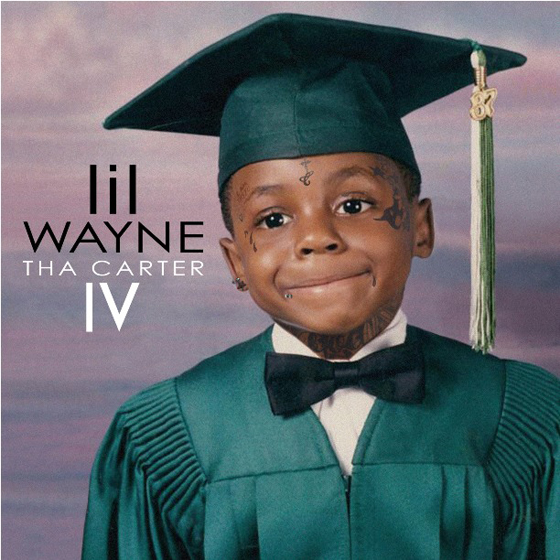
Lil Wayne Tha Carter IV

Just as we here at 2020k were about to make a post about Jay-Z and Kanye West’s album “Watch The Thrown” knocking Coldplay’s “Viva La Vida” record of highest selling debut record on iTunes with 290,000 copies sold, Lil Wayne releases Tha Carter IV, eight months after it’s first single was released, and shatters that record at a stunning 300,000+ and ending it’s first week sales at 960,000+, landing it at number one on the Billboard charts.

It comes as no surprise that a record by an artist of this caliber has legions of fans rushing out to purchase the disc, but it’s also refreshing to see that records by Adele, Taylor Swift, Jay-Z & Kanye West, And Lil Wayne reviving the music scene and showing that it’s still possible to push records in the 21st century of digital music. How that’s done is a topic for another day, but for now, let’s dive into Tha Carter IV, 2020k’s first rap album review, shall we?

Mainstream rap isn’t known for it’s use of live instrumentation, and Tha Carter 4 is no exception. The majority of the record is comprised of sequenced percussion samples and sinister sounding VST synthesizers, which sounds quite nice on tracks like “Nightmares From The Bottom,” a mid-tempo track with very nice piano and string sounding instrumentation over an 808 kick drum. It’s one of the only songs on the record that seems to carry a slight feeling of optimism, especially the line “Don’t call me sir, call me survivor.” Where there are nice displays of production, it’s the tracks like “MegaMan” and “John” that have a cheapened production sound that unfortunately hinders the ability of the tracks to live up to their full potential.

“Blunt Blowin'” is also a huge offender, a display of weird mixing and mastering skill, sounding more muddy and mid-range sounding, placing an extreme emphasis on the vocals, having them sit above almost everything in the mix. It’s a nice track in theory, but poorly executed. Especially the cheap Synth that takes the place of strings and brass instrumentation and sounds almost like preset and quick MIDI sequencing than time taken to get it right.

Lil WayneA more middle ground display of production skill comes from the Angel “Onhel” Aponte and Infamous production “President Carter,” which contains a unique sample of Jimmy Carter taking an oath. It’s a safe track, classic, simplified Hip-Hop, with a creative use of ending each verse with the Jimmy Carter sample, stereo delayed, and purposefully clipped sounding, giving more depth to the sample. Toward the end of the track, Wayne’s vocals become more narrow-band Equalized sounding to match President Carter’s sample, and so they become one. A nice way to come down and end the track.

There are still instances of pure brilliance, especially on the track “So Special” – a track that features John Legend seductively delivering one of his best features, asking us to spend the night with him while synth-strings are smartly programmed over a realistic sounding keyboard and lush instrumentation that lends itself as one of the more melodic and intricate structures of music on Tha Carter IV.

“Abortion” is another winner that features guitars, keys, and a choir, all heavily compressed to fit the aggressive and loud attitude of the entire record and  is another complex track for it. With a stormy opening that has Weezy engineered to sound warped, slurred, emotional, and sad that fades to a more dry vocal for a more direct delivery and some pretty neat sounding digital artifacts during the hook, it’s one worthy of the repeat button.

Lil WayneGuitars span from the squashed sound of “Abortion” and flourish beautifully in a more stereo spread image and pop-friendly sound on the album’s most successful single to date, “How to Love.” It’s an unexpected twist on the record that finds vocals with more Equalization focused on the higher frequencies to give the song a more vulnerable emotion than the mid and low range energy that’s become standard in Hip-Hop/Rap mixing. There’s also delay on the end of a lot of the phrases, that, if you listen closely to the entirety of Tha Carter IV, is featured on almost every song on the record. Vocally, we also find Wayne once again utilizing his signature pitch-corrected singing that surprisingly sounds more honest and genuine than the robotic and soulless approach T-Pain takes on it’s opposite,  “How to Hate.”

Even though “How to Hate” has some very nice sounding bass riffs and melodies, it’s an Autotune gimmick that’s quickly faded from the music scene. T-Pain’s main vocal tracks have the plug-in set so fast that the digitization from note to note sometimes makes the more laid back track sound extremely busy and at times, actually off-key (a bit ironic for a plugin that’s supposed to fix such issues). Interestingly enough, it’s the layers and layers of harmonies throughout the track that are less affected by the Antares plugin that breathe a bit of fresh life into the track and save it from complete, super-vocally compressed, signature T-Pain’d disaster. Wayne also provides a melancholic verses and delivers the clever “Don’t fuck up with Wayne because when it Waynes, it pours” and “Well, I guess I’m single for tonight/and you can sit right on my middle finger for the night.”- You tell ’em, Weezy!

Critics have slammed the record for featuring vocals by Lil Wayne that are less than enthusiastic, but when listened to in the right light, there’s a reason why they’re slower and sleepy-eyed sounding: it’s a contrast to the constantly aggressive and sly approach and an attempt at artistic growth with more diverse delivering.

The best part about Tha Lil WayneCarter IV isn’t the production, it’s Lil Wanye himself. There is absolutely no dispute when it comes to the fact that Weezy F Baby has a firm grasp on comedic, deep, and downright attention grabbing lyricism. In fact, the album’s lead single, “6 Foot 7 Foot” contains zingers in almost every line of the track. We’ve comprised a list of our top five at the bottom of this review, but we urge you to listen to the entire track! It’s definitely one of the stand out singles and song of the year.

And if the lyrics and extremely strong, confident, and front-forward vocal delivery of the track aren’t enough, producer Bangladesh gives the Harry Belafonte track “Day-O (The Banana Boat Song)” a creative and fresh twist, when it’s sampled, providing the vocal sampled musical melody with an aggressive beat on top for Wayne to ride his triumphant lyrical wave on.

Several of the bonus tracks are also worth checking out. “I Like The View” features a more grittier version of the synth that sounds like the roaring one featured on Lady Gaga’s “Bad Romance” over top of a standard rap beat and “Mirror,” featuring Bruno Mars gives our ears yet another semi-pop sounding track, with lush vocal hums, drenched in reverb.

Lil Wayne“Two Shots” is the tracks most spacious track and benefits greatly from it. At times, it’s bass, a low synth, and snare. Everything has breathing room and everything sounds great in the mix. Then again, Diplo produced the track along side DJA and he’s consistently good at ensuring a pleasant sonic experience (some of you may remember the interview where he stated that Sri-Lankian rapper M.I.A. didn’t care about the quality of the music on her latest record, MAYA). Target exclusive track “Novacane” featuring Kevin Rudolf also benefits from space.

All in all, Tha Carter IV is an alright record. A nice mix of alright tracks, brilliant tracks, and some “How did that get on there?” questions. But, don’t question the lyrics on this record. As Lil Wayne put it himself, “Weezy F Baby and the F ain’t for flawed.”  (From “Nightmares From The Bottom”.)

Album rating: 3.5/5

2020k’s “6 Foot 7 Foot” Top 5 Zinger List
5. “Life is the bitch, and death is her sister/sleep is the cousin, what a fuckin’ family picture/You know father time, we all know mother nature/it’s all in the family, but I am of no relation.”
4. “No matter who’s buying, I’m a celebration/Black and white diamonds – fuck segregation.”
3. “I lost my mind, it’s somewhere out there stranded/I think you stand under me if you don’t understand me/Had my heart broken by this woman named Tammy/but hoes gon’ be hoes, so I couldn’t blame Tammy”
2. “You niggas are gelatin, peanuts to an elephant/I got through that sentence like a subject and a predicate”
1. “Bitch, real G’s move in silence like lasagna.”

What do you think about Tha Carter IV? Let us know what you think in the comments section below and don’t forget to like us on Facebook and follow us on Twitter for all the up to date news on Lil Wayne and 2020k!


Purchase Tha Carter IV Standard Edition [iTunes]
Purchase Tha Carter IV Deluxe Edition [Amazon]
Purchase Tha Carter IV Target Exclusive Edition [Target]

Posted in album review | Tagged , , , , , , , , , , , , , , , , | 2 Comments