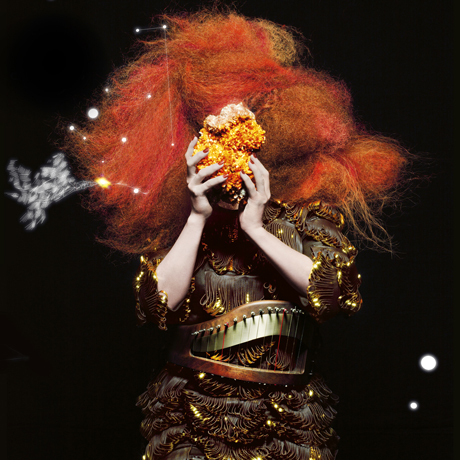
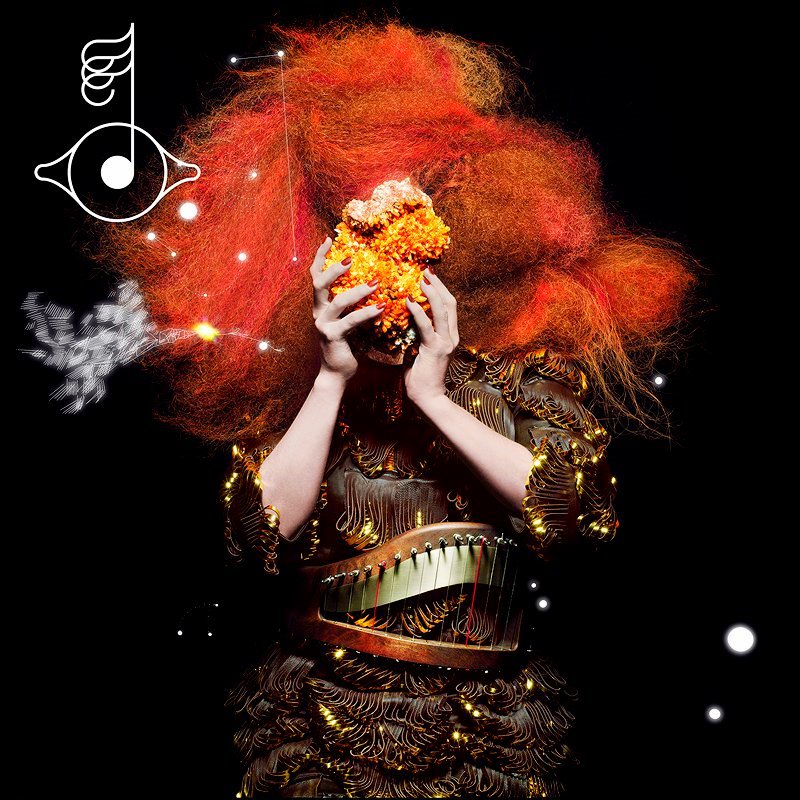
Ladies and gentleman, prepared to have your mind confused, boggled, and exploded upon downloading Bjork’sBiophilia app that has just been officially released to the iTunes App store! It’s booming with creativity and inside it you’ll find a lot of focus on innovation. It’s a nice change considering that most musical applications for the Apple products focus on simple programming to make bank off mainstream Top 40 artists (see the countless results you find when typing in “Justin Beiber” into the search section) and ripping off Guitar Hero with drool inducing games like Tap Tap Revenge. Except for a handful of musical applications like the Inception and RjDj apps, it’s difficult to come across a download that contains actual substance, sparks the consumer’s thought process, and allows a sense of having yourself completely enthralled inside a sonic world. Luckily, the Biophilia app contains all of these things.
Right now, the main Biophilia app, adoringly called the “Mother App” is available exclusively through the App store for free and comes preloaded with the song “Cosmogony”. Inside of it’s realm, you’ll find the song itself, a stunning analytical essay put together by Nikki Dibben, the musical notation of the track, and an animation that follows each instrument of the song and looks like a combination of a sort of musical karaoke and what MIDI sequences look like when you’re programming them into your favorite Digital Audio Workspace.
A Screencap of the "Cosmogony" animation
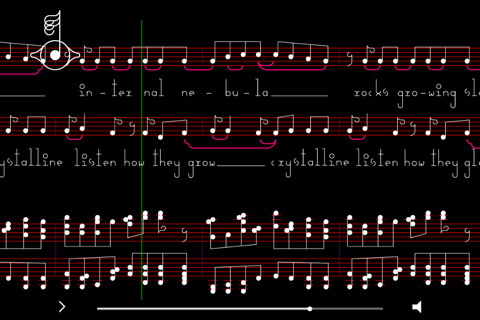
Currently, the “Crystalline” app is also available for download for $1.99. It’s a more complex section of the program in that it features an interactive game in which you travel through different tunnels and collect different crystals to make different shapes and unlock more tunnels. What’s even more odd is that each tunnel represents a different part of the song, so when you go through it, the song will jump from where it currently is and travel to whichever part of the song that the specific tunnel you’re in holds. Nothing is linear, everything is confusing, and when the song is “over” and you make your crystal, you’re prompted to save it and E-mail it to all of your friends.
Weird, right? But still, it’s all mega cool.
A Screecap of the "Crystalline" musical notation
We’ll see if the app happens to become more cohesive as it unfolds, but right now, I recommend a download of it. It’s still one of the most experimental and intriquing apps on the market right now and if all else fails and you aren’t that interested, you get to listen to “Cosmogony” for free and as you navigate through the universes, song clips from all of the other tracks that are featured on the “Biophilia” record are introduced.
If that’s not enough to get you to check it out, you also get to hear one cool introduction by David Attenborough of the BBC documentary series Planet Earth fame. (How dope!)
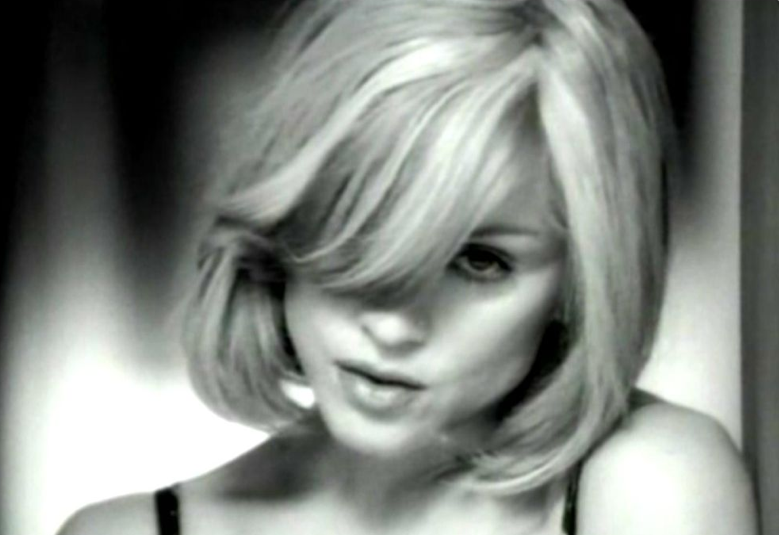
At 81 Beats Per Minute and 6 minutes and 24 seconds long, “I Want You” embodies the slow, drawn out, hypnotic depression and desperation of the internal pain associated with unrequited love so perfectly that it could be considered the epitome of it. It is perhaps one of the biggest injustices in pop music that it was scrapped as the lead single off of Madonna’s 1995 ballads release, Something To Remember because of trouble between Warner Bros./Maverick label and Motown.
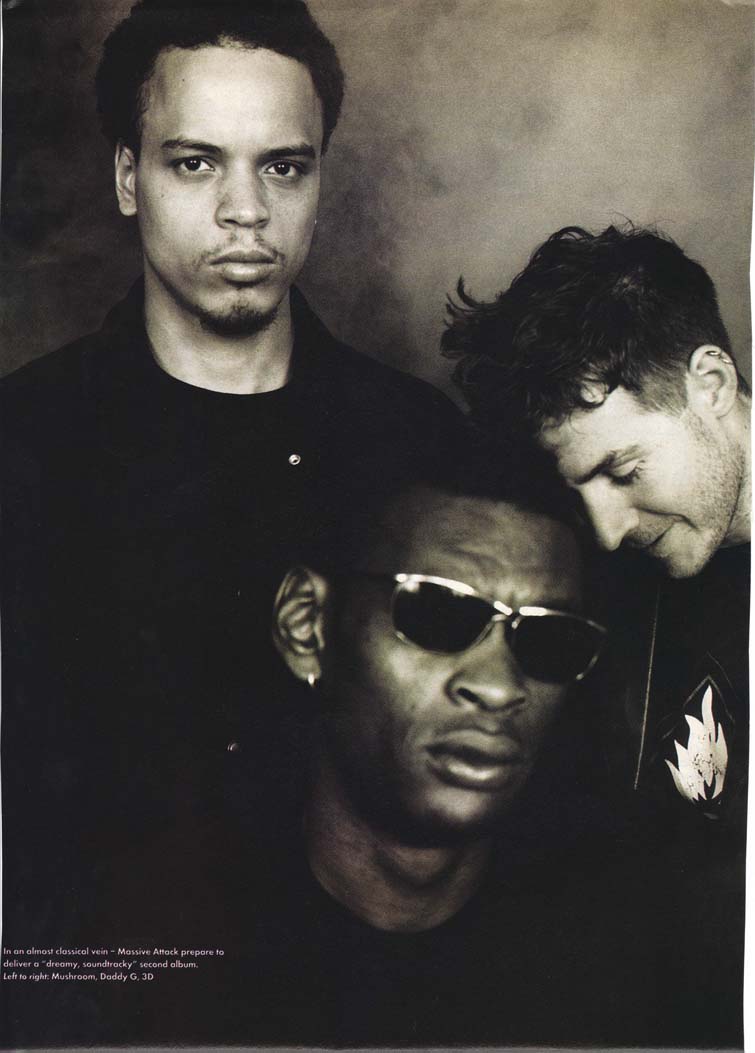
Why the trouble? In case you didn’t know, this is a Marvin Gaye cover and was originally recorded as a tribute that was included on an all star tribute-album Inner City Blues: The Music of Marvin Gaye. It was released on both Motown and WB/Maverick and we all know what happens when something is released on two separate labels. Money becomes an issue and if they aren’t figured out, they get scrapped. It’s a sad and dangerous game to have your song associated in so many different places. If you didn’t think it was enough to have them spread out onto those labels, Massive Attack, the track’s producer obviously owned some rights to the record because they also had the song internationally released on the special edition of their greatest hits album Collected, which is under the Virgin Records label.
Motown is under Universal Records. Warner Bros. is under their own company. Virgin is a subsidiary of EMI. That’s THREE out of the Big 4 record companies going at each others throats and bank accounts. Can you see the financial battles they were probably having play out in your head? I can. But, let’s put aside our rant about the business side of the recording industry for another day and get onto the good stuff, shall we?
To say this track is just another moody arrangement would be an understatement. One of the most interesting things about the mechanics of “I Want You” is that despite the abundance of strings throughout it, the heavy percussion, and overwhelmingly big bass sound, the track isn’t all that complicated from a basic mixing standpoint. None of the strings flow back and forth through the stereo speakers, but instead seem to focus most of their energy in the left side of the channel, allowing the supporting percussive instrumentation and Madonna’s vocals to have a bit more breathing room on the right. Together, with this mixing technique, both speakers create two separate moods. The left speaker providing a more densely layered but hopeful and light lift, and the right channel providing a more sparse and dark playing field. The right channel is not too dark though because it’d completely throw off the balance of the track, leaving it sounding 100% mentally unstable instead of just being temporarily down, so the main string line still has some give to the right speaker and every now and then a supporting string part will pop it’s way into that side of the mix as well.
Regardless of the landscape Massive Attack and producer Nellee Hooper created for us to sink our teeth into, Madonna rides above it and creates a vocal mood that’s both mournful and seductive. Throughout the verses, the lead vocal track finds her singing, and another finds her talking and playing around with the wording and melody of each phrase, making the track more haunting. Eighth-note stereo delay gives her background vocals an extra kick and lush reverb surrounds her the entire time. All in all, there aren’t many vocal tracks through the song, but the production on them makes them sound huge, emotional, and triumphant in some areas where the strings become more overcoming.
On the subject of strings, even when listening to the Orchestral Version of the track, it’s hard to distinguish whether any of the strings are actually programmed MIDI sequences or samples. I’m going to guess that the answer is no, but even when flipping through liner notes on both Massive Attack & Madonna’s albums there are no credited musicians. If any of it is MIDI, it’s damn good and flawlessly programmed and same goes for of it all is (but I highly doubt it. If anyone has any information as to who played on this track, please leave a comment below or tweet me!) As for the rest of the track? It’s all sample based with the exception of maybe the subtle guitar parts and bass. As with any great programmers, they’re damn good, high quality, great sounding samples that enhance the track instead of giving it a synthetic, cheap production sound.
Even with the extremely powerful bass track, it’s not bothering any frequencies. The engineers ensured that there are distinct EQ differences between the bass and kick (which are the most problematic low frequency instruments to mix, as they share most of the same frequencies), giving the bass a more low roar and nurturing the kick to have a more mid-range punch. There is one complaint that on smaller speakers, the bass seems to overpower a lot of the other things that are going on in the track.
In regards to a first impression on the track and to defend the almost too massive power that the low end carries throughout “I Want You,” I asked my brother, completely impromptu, who has no engineering training or interest in pop music in general, to lend a hand on the blog and inquired what he thought of the song I was playing. Normally, his response is that what I’m listening to is horrible and he’ll return to his room with the death metal blaring. His response to the Madonna song though? It was that “it needs to be played in a car with subwoofers.” Translation: it has a lot of bass. (One day I’ll review a metal album for you, little brother..I promise!)
You’d think that with Madge singing as low as she does in some parts that issues would arrive on her tracks with the low frequency focus and even have some issues with the higher frequencies of the strings, but nothing is wrong anywhere, not even with the mixing of the effects on her voice!
We’re dealing with a group of highly trained professionals in the industry and it’s great that nothing short of sonic perfection and emotional landscape was achieved on “I Want You”. Marvin Gaye would be proud.
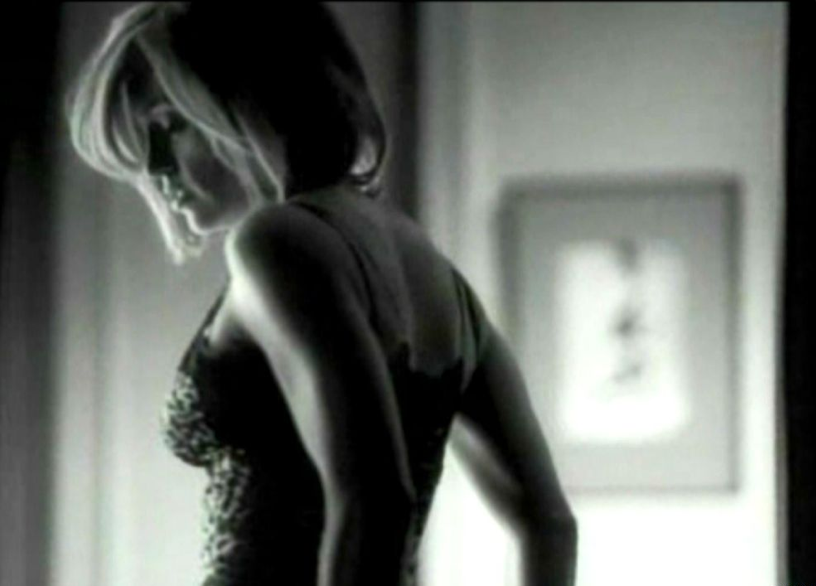
Don’t even get me started on how emotionally tearing the Earle Sebastian directed music video is. It’s extremely subtle and repetitive. But don’t you ever tell me (loveeee isn’t true, it’s just something that we doooeeoooo) you haven’t waited by the phone for hours for someone at least once in your lifetime. The realism surrounding this song in every aspect of the sense is exquisite. Bravo!
What do you think about the track? Like Madonna? Like Massive Attack? Let us know in the comments section and be sure to like us on Facebook and follow us on Twitter for all of the up to date information on 2020k and other endeavors!
NOTE: 2020k is delighted to announce it’s exclusive interview with Nikki Jean coming! CLICK HERE to read it! There will also be a contest for a giveaway of the album for a few selected individuals – if you’d like to participate, please like the official 2020k Facebook page for more information as it becomes available about the contest and ways to win!
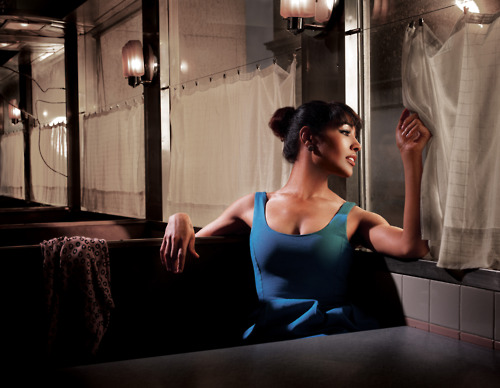
Nikki Jean and her fan base have been longing for the release of her debut album Pennies in a Jar for a long time. Through it, we’ve seen several music projects, collaborations, cookie sales, apartment moving, living room tours, meetups, and even personalized Christmas cards from the singer, written out to fans who submitted their names and addresses before a selected cut off date. It’s been a lot of hard work, but it’s finally upon us. During that time, Nikki set out across country to write and record with some of the world’s most legendary songwriters to make what one may call the 21st century version of “Tapestry” by Carole King. On July 12th, 2011, the debut album was released into the world and it’s one heck of a collection
To start, the biggest stand out to Pennies in a Jar is that a lot of what went into mixing and creating space within the mixes doesn’t have so much to do with fancy outboard/plug-in dynamic settings and techniques, but rather the use of creating a broad and beautiful stereo image with the use of panning. For example, the stereo-paired guitars in the Bob Dylan co-penned “Steel and Feathers (Don’t Ever)” are complimented by an overdubbed guitar panned left and a piano panned right, all the while having a small stereo choir of backup singers give Nikki’s centered voice an extra glow.
The bulk of the album features the main vocal line, kick, and snare giving themselves to the traditional method of staying centered throughout the song and ultimately achieve their goal of acquiring the most focus throughout the song by having the dry signal in mono, but still maintaining a sense of multi-direction with the help of stereo reverb and delay to subtly spread out their sounds to the left and right speakers.
Further using alternate techniques on creating space and making a mix work appears more clearly on the Bobby Braddock aided “Million Star Motel (Featuring Lupe Fiasco & Black Thought of The Roots)”. The gear gets a little more creative in that toward the end of the song there is an automated reverb and slapback delay that slowly becomes more prominent at the end of each vocal line until the last phrase of the song becomes fully engulfed in the elegant settings and eventually spreading through other instruments of the track. It’s one of the greatest mixing moments that this record possesses and makes for a smooth ending, where as some of the other tracks, such as “How to Unring a Bell” give for a little too much of an abrupt ending that leaves you wanting more.
Speaking of “How to Unring a Bell” co-penned with Thom Bell, it does an astounding job at opening up the album as it gives you a little taste of everything that’s featured on it. The various melodies unfold in a fluent manner, going from aggression through the verses to drawn out silky strings and keyboards giving a platform for lamenting some of the more simple, but effective lyrics of the 41 minute record. “Yesterday, I never thought you could cry. Such a shame I can never say that again. Yesterday, I never told you goodbye. Such a shame I can never say that again.” It’s a song sung of lost love, but one that knows it’s lessons and holds brightness throughout it, as most of the album does.
Lyrics aren’t the only bright and hopeful aspects of the debut record. Crisp high frequencies surround the project as a whole, making it’s early Motown influence more apparent. The old school sonics heavily affected the throwback mixing of this record, being mostly reminiscent to the uplifting sounds of early Supremes (Think “Where Did Our Love Go” & “Baby Love”). Strip Amy Winehouse’s “Back to Black” from it’s darkness combine the sound of other modern British pop acts and you also have a taste of the sonics that Pennies possesses. It’s most apparent example comes throughout the realistic sounding claps, airy background vocals, and various hi-hats, bells, and percussive helpings on “My Love”. No surprise, was a track that was made in part of a collaboration with Lamont Dozier who not only worked with The Supremes themselves, but anything you can think of from the “golden age” of Motown.
Depending on the mood, Pennies in a Jar can sometimes become a bit too Motown and start sounding a little too blended together. However, “Mercy of Love”, “Sex, Lies, and Sunshine” and the semi-cinematic sounding “China” provide the more serious counterparts, and while they are some of the album’s more down moments, they do not breakaway from the summery, lighthearted qualities that Nikki Jean’s first solo attempt dignifies.
To close out this review, I wanted to give the title track a proper paragraph as opposed to the ecstatic and speechless post that was created upon it’s initial upload to Nikki Jean’s official Youtube channel. However, it still remains as stunning as it was when I reported on it then. It’s a magical number penned by Nikki herself and co-written with Burt Bacharach that best sums up Jean’s three year jump from working in a coffee shop in Philadelphia, PA to working her way up from collaborations with DJ Deckstream and the previously mentioned Lupe, albums with the amazing, but short lived alternative Hip-Hop style Nouveaue Riche, to where she is now.
Nikki Jean: bottling up the stars, pennies in a jar, and she’s earned every single one.
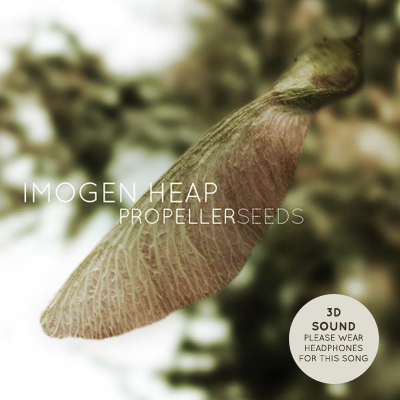
Imogen Heaphas always striven to find ways to invite us into her 3D world and keep us safe and sound in her bubble. We’ve had blogs, vlogs, tweets, vokles, ustreams, 12 seconds, Q&A’s, 3DiCD’s, and she’s continuing to achieve the ultimate balance of music, fan interaction, and innovation with the release what is perhaps the world’s first official 3D song, a release of her #heapsong series, titled “Propeller Seeds”.
First of all, pop on your headphones because unless you’re listening to this song through professional monitoring speakers or a great consumer based stereo system, you’re going to miss a lot of the work that went into making this track an actual 3D song. Got them on? Okay, let’s go.
Immi enlisted Nick Ryan, an accomplished sound designer and artist in helping create the soundscape for #heapsong2 aka “Propeller Seeds”. The team used several techniques in creating a world in which you feel like you’re living out the song as it rolls along through your ears. One of these approaches to making this experience possible was by using binaural microphones to capture the audio of various scenes and places. Binaural recordings are a pair of microphones which fit over the ears to record a stereo sound and since they’re around your ears, what you record is what you hear. The sounds were then treated using 3D sound, which is an effect in which the stereo spread is widened by modifying the phase of the soundwaves along with smart panning and other stereo imaging techniques, then applying the affected recordings the same way you would mix a normal record: delay, compression, reverberation, etc.
Speaking of reverb, to get an accurate portrayal of the environments represented throughout the song, Imogen and Nick went to various buildings and public places and did what sound designers normally do to defuse any sound reflections within a room, so that they can create a space that is acoustically treated for recording audio. They popped balloons. The balloon popping was recorded for the sake of accurately pinpointing exactly how long a sound reverberates and says within the space Imogen wants to sonically recreate. But why is this done? Well, in a certain part of the song, she’s sitting in a restaurant and to better create the atmosphere of what a restaurant sounds like, the sounds within the setting are dowsed with reverb that is calculated almost exactly how the reverb sounds in the actual restaurant the recording is based off of.
You can hear the outcome of some of the sounds recorded binaural style and treated with 3D sound on #heapsong2’s soundcloud page. The hard part is over. Did you follow well or is your brain currently liquified and seeping out of your nose?
There’s a lot more that went into the engineering process as there still had to be an actual stereo song to mix and I’m sure that phase was a bit of an issue throughout the mastering process, but the final product sounds great! In my “Lifeline” review I stated that Imogen’s records after her Speak For Yourself seemed to go light on mastering and sound a bit flat, but this one sounds far superior and ranks up with the lush sonics that SFY delivered us. Thank you to Simon Heyworth, who once again handled the mastering work! (Again, just to be clear, I really do like and respect all of the mixing and mastering work done on Imogen Heap projects. These processes are subjective to what the artist wants done to their work and as long as the audio is handled with care, which all of Immi’s projects are, there’s no shade to be delivered. I just prefer a little more oomph! sometimes).
Though the entire songs is one amazing piece of work, the coolest parts throughout the track have got to be the section during Heap sings “I must be coming down with something to be thinking this!” The audio spins around the speakers and suddenly comes full focus and centered with the last word of the phrase. Throughout the second verse, there is a jazz band that was recorded live during their setlist and is also whirling around in the mix. They’re amazing touches to a song that tells a story of how Imogen met her current boyfriend, who is also featured on the song as one of the voices you hear in the background of the track.
Kelly Snook also took to recording, engineering, and mixing, a beautiful acoustic version of “Lifeline” that was played during the party for the release of #heapsong2. It’s available in a bundle from Imogenheap.com and includes a 9 minute explanation with Nick and Immi on how the song came about, and also includes the 3DiCD from Andy Carne and a way cool music video shot by Simon Henwood.
It’s mind blowing, I know. It’s what Imogen does best and it’s why we love her. Can’t wait for #heapsong3! What are your feelings on “Propeller Seeds” and the Heapsong series so far? Let us know in the comments below! And don’t forget to like us on Facebook.
Track Rating: 5/5
Purchase Propeller Seeds from Imogen Heap’s Website! There are a bunch of options to choose from. MP3 to Lossless. Just the song, to a bundle package! Click here to check it all out!
After their 10 year hiatus from recording and touring, Sade is hitting the road on their 2011 Soldier of Love tour and after seeing their show on their stop at the Consol Energy Center in Pittsburgh, PA, I can assure you that it’s one show you don’t want to miss. Here, we see the band promoting the tour with a music video from a song in the setlist called “Love is Found,” which is off the album The Ultimate Collection (so they’re also smartly promoting the new record, a gorgeous 2 disc greatest hits album, which should be picked up).
In the video, you see pretty much what you see throughout the whole show. A very minimal, streamline, and modern looking stage set with the band spaced out, Sade walking amongst them, and a beautiful back-lit screen behind them, projecting out images from old Sade videos, or in this case, her silhouette dancing with another.
Musically? The musicianship is superior and as a result they closely recapture the sounds produced throughout their entire catalog of music, but most times better than what has been recorded in the studio (which cannot be said for acts touring more than 20 years into their career, or acts in general, really).
It’s pretty much impossible for me to review the tour because I’ll just keep saying the same words over and over again: gorgeous, beautiful, perfect, stunning, Sadeazing, amazing, etc. etc. I can tell you that there was one adorable moment after the opening song where the front woman modestly spoke about how she’s never been good at taking praise, but she’s getting used to it. Then, went into the second song and when finished, after the crowd was done roaring, she coyly muttered one word: “Woot.” An admirable stage moment for sure.
My favorite song of the night? It hasn’t been released professionally yet, but she sang her guts out of “Pearls” and the backdrop is beautiful. Check it below and GO SEE THIS SHOW. TICKETS ARE SURPRISINGLY AFFORDABLE!
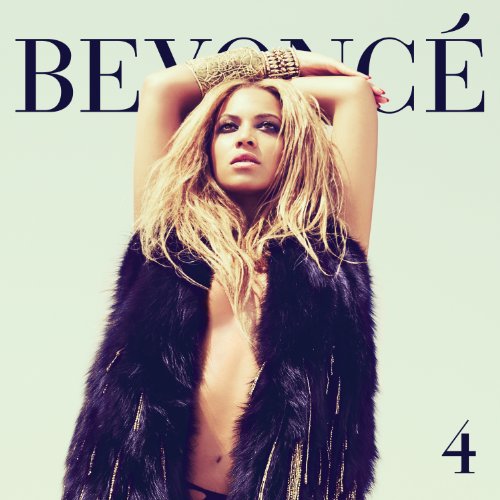
There have been many setbacks with the release of Beyonce’s fourth solo effort, fittingly entitled 4. It leaked weeks early, promotion lacked, the lead single tanked, and overall the beginning stages of marketing the record was a music business trainwreck. When you place all of that aside, pop the record in your stereo, and have a good, hard listen, it’s a relief to know that music doesn’t always have to reflect on how it’s presented to the public. 4 is an extremely cohesive record, with some minor setbacks that cause it to sonically be a diamond in the rough.
The one thing that’s obvious with this record compared to the previous efforts by Ms. Knowles is that she’s using her voice in a more strong and commanding manner, which is in part because of her observation during the editing of the I Am… World Tour DVD in which she noted her studio voice is often different in tone than the one she uses when she’s on stage. The outcome is a much more abrasive, triumphant songstress compared to past recordings and comes out quite compelling on the tracks with more emotional subject matters such as “1+1” and “I Care”.
Actually, we’re going to spend a lot of focus on these two tracks, as they’re two of the most interesting ones out of the bunch…
“1+1” – I’d like to call this the most traditional and humanistic song on 4. Interestingly enough, it starts with a fade in of stereo panned guitars with a slapback delay on them. Granted, it’s a quick fade, but it’s still something not heard of too often in popular music, especially on an album opener. There’s also a little bit of noise floor seeping in and out of the track, heard mostly on the organ – which is refreshing to hear considering the extreme amount of noise reduction normally used on Top 40 records.
One thing that stays constant through “1+1” and pretty much through the entire record is that Beyonce’s voice is front, center, and loud, but why shouldn’t it be? Perhaps she’s compressed a bit too much sometimes, but she’s the artist and she sounds gorgeous. The short reverberation on her voice gives the track a bit more depth and the delays at the end of certain phrases are a nice creative touch in the mixing process as well.
1+1 does steer wrong though, in that there are several places where clear distortion can be heard. Check out the 0:30 mark where the entire track distorts, probably because of the high energy between the bass and vocal track at that particular moment. While it’s normally not too difficult to tell how the distortion happened, there are other instances throughout the track where it’s hard to tell whether distortion happens in it because of recording too hot at the sounds source or because of mixing and mastering techniques.
Otherwise? The mix doesn’t sound too shabby and the nice spacey synth pad fade out provides a nice comedown for a track so emotional and nice introduction to what we’re going to hear on the next track.
“I Care” – A warm, slowly oscillating synthesizer and obscure/spacey rhythmic drops begin our tour into this track with heavily coated reverberated percussion providing a strong drive into the track’s first verse. It’s a nice throwback 80’s sound with a modern twist, which is how most of 4 runs.
To give the drums more power, there are two kick drums that thump throughout “I Care.” One, most likely recorded live provides the foundation, while an occasional more prominent, deeper in frequency, and sample based sound comes in conjunction with it to provide an almost bi-polar like sound in that it’s a constant battle (in a good way) between the quieter and louder kicks. Unfortunately, there is a bit of a loudness problem during the busier parts of the song, but in a way it counteracts the quiet verses and causes the songs buildups and breakdowns to flow with less effort.
Continuing with the spacey atmosphere, Beyonce’s vocals have several stunning delays on them. One a slapback, set differently so it only gives a subtle accent on the more strong consonant sounds emitted onto the track and a second longer delay on the end of phrases to carry her voice through the areas where vocals don’t thrive (and occasionally throughout them, as shown more in the 2nd verse). The mixing on the vocals is truly where this track shines and it would basically be an entirely different track in general, lacking power without them.
These two tracks provide the epitome of this album in that there’s great strength in the production and mixing that went into Beyonce’s vocals and also great suffer in taking care of the audio in certain places within them. Another thing these two have in common with each other and the rest of 4 is the presence of live instrumentation, which is something Beyonce’s uniquely had going for her since her sophomore solo record B’day and continues to impress the Pop world by exploring the seemingly dead art of making a record with actual musicians as opposed to sitting in front of Logic Pro and banging out a track.
“Rather Die Young” is a fine example of fusing together an eclectic list of instruments ranging from rhodes, pianos, brass instrumentation, and guitars with a sampled rhythmic sections that provides a hybrid-mix between traditional recording and programming. Not that she has to rely on the old school style of recording, as “Love On top” and “Party (Featuring Andre 3000)” thrive almost entirely off of synths, programming and come off as two of the songs on 4 with the most groove in them.
The craziest and most synthetic track obviously goes to the lead single “Run the World (Girls)” which incorporates a huge sample of “Pon De Floor” by Major Lazer. It’d hardly be an original track if it weren’t for the rumbling bass and overall facelift given by producers Switch, The-Dream, and Shea Taylor. It’s not a creative usage of a sample by any means (if you don’t believe me, click here and just start singing “Run The World” over the beat), but HOLLYYY SHITTT the vocal melody is to die for! Sometimes following the snare rolls, sometimes following the bass, but always standing out and having a mind of it’s own. It truly makes the track special and provides an amazing feeling of empowerment for anyone listening to the track.
Unfortunately, the most creative part of “Run The World” was the track’s opening and was cut from the release of 4. It provided an industrial synth, male rebel yells, and Beyonce vocal manipulation over the sample and gave the track a small experimental edge which saved it from starting out quick like a lead single does. If I had to guess, the intro was probably snipped because the song didn’t survive on radio. I’m sure they included the radio edit of the track on the record for familiarity purposes for those who have heard the song through radio format. (Still, it’s a shitty thing to do and I downloaded the Extended Version so I wouldn’t bitch every time I played it on my iPod. You should do the same).
Also, the Deluxe edition of this record includes three club mixes of the single by Kaskade, RedTop, and Jochen Simms and are pretty nice to listen to if you’ve heard the Major Lazer sample one too many times for one sitting.
Our last stop in this review goes to a track clocking in at less than three minutes, but is perhaps the album’s highlight. “I Miss You” continues along the emotional journey that 4 carries and lends some of the most brutally honest lyrics throughout Beyonce’s entire catalog. “The words don’t ever seem to come out right, but I still mean them, why is that? It hurts my pride to tell you how I feel, but I still need to, why is?” she laments over a swelling synth lead, minimal ambient guitar sounds, and a hypnotic downtempo drum track. Occasionally, haunting effects pop in and out to add to the track’s ethereal depression. It’s a track that packs pure honesty in every single aspect of the track and is sure to go down as one of the best recorded tracks of her career. It’s a shame there’s a bit of distortion here and there on it because of the high energy focus on the low frequencies of the track.
Lyrically? Great album. Instrumentation? Great album. Vocally? Great album. Variety? Great album. Technical audio love? It’s nice, but there shouldn’t be this much neglect on an artists album like Beyonce’s. Also, any catch the “Hand Covers Bruise” by Trent Reznor & Atticus Ross from the movie The Social Network‘s sample in “I Was Here”? It’d also be nice if Beyonce listed these things in the credits along with who played what instruments and assisting in creating the wonderful tracks we hear on 4.
Beyond it’s downfalls, it’s still a nice album and if you’re a fan of seeing the business side of things, there is a great documentary up on Vevo called “Year of 4” in which Beyonce tackles firing her father, Matthew Knowles as manager and taking on much more duties all in the name of artistic freedom. Click here to watch!
Album Rating: 3.5/5
“Countdown” and “End of Time” were not mentioned in this review but are also two uptempo bangers that should be noted.
Leave a comment below letting us know your thoughts and don’t forget to “like” us on Facebook! Click here to do so!
It’s been two months since Bjork began the campaign for her innovative iPad record Biophilia with the announcement her six show stay at the Manchester International Festival after a three year absence from touring the UK. Since then, we’ve seen a gorgeous revamp of her official website, samples from the album on the iPad app “Solar System,” and learned that two songs a month will be released in separate interactive iPad apps starting in June, leading up to a tentative September 26th, 2011 release date.
The promotion for the record also offered a few teasers on her YouTube channel for the track “Crystalline,” which will be the lead single from the record and was unfortunately leaked a few weeks earlier than it’s intended release.
Who’s being negative though? Bjork’s fanbase is of the utmost loyal and although the track was made available before the iPad app release of it, there’s no doubt that we will all be downloading it to see what Bjork has in store for the Apple users.
Let’s get to the song shall we? “Crystalline” continues Bjork’s experimentation in offering a place for organic and electronic sounds flourish within the same sonic realms of a single track. It’s a method that’s become constant in her releases – from the horn punches of “Enjoy” (produced by the legendary Tricky) from Post to the manipulated human voice on “Desired Constellation” from Medulla, it’s one of many signatures to Bjork’s infinitely creative craft.
The main traditional instrument used within the song is a Gamelan + Celeste hybrid instrument specifically made for Bjork and appropriately called a Gameleste (See a video of the beast in action here). It’s apparently one of a few custom made instruments used on the record as noted on a forum post at Cymbalholic by one of the makers of the instrument.
UPDATE: A video has been posted on Vimeo of the entire construction of the Gameleste and includes a short demonstration on how the instrument works mechanically, including a short piece on the MIDI controller controlling it! Totally awesome and highly recommended. All you have to do is CLICK HERE!
Beyond that, there may be hints of manipulated beat boxing in the main rhythmic lines in the song, but when it comes to picking out what’s actually been utilized and warped in a Bjork song, it’s best to leave speculation alone. For all we know, she and her team could have recorded the sounds of tree branches sucking in Carbon Dioxide, expelling Oxygen, and then following the air around the universe until it reaches somebody’s lungs, which then expels Carbon Dioxide, and then a kitten meows and it’s all put into Pro Tools where it’s made into the sound of a kick drum and placed within the track (one can only hope she reads that sentence, gets a grin on her face and then sends her engineers out to complete this task like the time where she asked someone to make the sound of “tiny flowers blooming” or something for a song on her Vespertine release).
Anyway, can we get into the part where she goes all Aphex Twin‘s “Come To Daddy” on us and unleashes a BEAST OF A DRUM AND BASS BREAKDOWN IN THE FINAL FIFTY SECONDS OF THE TRACK? OH MY GOD IT’S EPIC. THE TRACK GOES SPARSE FOR A FEW BARS AND THEN ERUPTS INTO A SEA OF PERCUSSION WHILE BJORK SINGS ABOUT OVERCOMING ANXIETY. Oh..shit..sorry for the caps lock. I got extremely excited. I mean, it’s not everyday you listen to a track where something comes out to offer a surprise and give you multiple eargasms by the end of it.
Interestingly enough, you’d think with the layers at the end of the track that the Dynamic Range would be crushed to hell and back and would make the Red Hot Chili Pepper’s “Californiacation” album look like a work of mastering art, but it maintains a healthy DR8. I am going off of a 320Kbps leak though. I’m sure full quality would show a tiny alteration of these results, but not by much. This is one hell of a mixed track. The liner notes of Biophilia will provide the answer to who is behind the engineering aspects of the track, but my finger is on long time collaborator and amazing mix engineer Mark “Spike” Stent. I see you!
Vocally, there’s never any words for a track by this artist. She’s perfect every single time and if you don’t believe me, check out this live performance of “All Is Full of Love” where she holds out the final note in one of the choruses perfectly for 17 seconds. There’s a nice short reverb on the “Crystalline” track that gives the track a bit more of an atmospheric depth to it.
The thing that makes this track work so well is how the instrumental of the track helps to narrate the subject of the song. Lyrically, on the surface, Bjork obviously sings the beauty of the crystalline of crystals, how they’re formed and all of that jazz, but underneath it all, it seems to be a tale of growth from within and conquering the negative energies we cope with. The sparse beginning and the harsh Gameleste provides a constant percussive feeling throughout the track of something being worked on (the crystals, or more metaphorically, ourselves) and toward the end of the song there is that gorgeous left-field explosion of both excitement and anxiety as she rejoices over “The sparkle you become when you concur anxiety”.
I could have this all wrong, again, it’s best not to overanalyze a Bjork song because Bjork is art. But, art is subjective, so sue me and leave a comment on how you feel about the track, it’s meaning, your feelings on the upcoming album, and the woman herself! I know I’m excited!!!!!! Oh..and check out the track for “Crystalline” below.
(Unfortunately, the YouTube track has the track pitched up slightly as to avoid copyright issues. Ahh..the intricacies of Entertainment law and Music Business!! You can find a great stream of the track in full quality on The Prophet Blog’s website).
UPDATE: View the gorgeous artwork for the single cover!
Vanessa Carlton ditched her major record label (only signing with the NY based Razor and Tieafter her record was completed) and traded in the polished sound of her first three records for a more standard approach to recording on her new project Rabbits On The Run, and she’s offering her gorgeous first single “Carousel” for free over on at AmazonMP3.
The warm and unique feel of this track is something that’s hard to track down in modern day recordings, which is in part because of the involvement of producer Steve Osborne, who Vanessa hand picked out because of his dreamscape sound he built with the band Doves and also because of the decision made to record her entire album to analog tape.
It’s a smart move and one that works over the style she brings to the table in that while her signature songs “A Thousand Miles” and “White Houses” sound great on their own, it’s the more stripped sound of the songs we’re going to hear on this record that truly brings out the artistic integrity inside the extremely talented singer/songwriter.
“Carousel” provides beautiful lyrics, lovely instrumentation, a wonderful choir, and perhaps one of the best engineered tracks of 2011. This is a must have!
You can watch the music video for “Carousel” by clicking here and make sure you leave a comment letting us know what you think of the track! Also check out the video below. It offers some great behind the scenes footage of the making of Rabbits On The Run which is due out July 26th, 2011.
Many thanks to my friend and hardcore Vanessa Carlton fan – Martin, for providing me with some of the facts you read in this article.
When Lady Gaga released her debut album The Fame, I disliked how it sonically sounded so much that I spent hours researchingwhowasinvolvedin the project and how it was put together. While there were sparks of genius (example: the delayed vocal on her breakthrough hit “Just Dance” and the layered harmonies on the chorus of “Paparazzi”), the songs were extremely over compressed and as a result, all of the songs didn’t sound loud, but they sounded dynamically flat.
Things changed for the better with her follow up EP The Fame Monster in that the eight tracks featured more depth in layers and introduced a dark and almost industrial sound to Gaga’s catalog of music. As a result, while the mixing and mastering (done by the same people who worked on her debut) once again ran hot, it gave the album more excitement, more dirt, more grit, and overall, great attention grabbing, purposefully distorted product.
Born This Way‘s technicalities are a mix between her debut and her followup. The biggest problem with it is that it’s loud the entire way through it’s 70+ minute run and by the end of it, the songs sound like they’ve run together at times and can tire an ear out. However, the loudness can sometimes enhance a song like the moody “Government Hooker” in that it introduces the triplet-double kick effect that “Dance in the Dark” is noted for, but on songs that introduce actual organic instruments like “Americano,” it creates chaos. The fact that the kick is so compressed and at the forefront of the mix that it’s literally kicking the livingshit out of all of the other instruments in the mix, throws a song that would allow Lady Gaga to genre jump across the Hispanic highway, into a noisy clash of sounds that make the layered and distorted vocals sound like nails on a chalk board.
OKAY, SO BASICALLY IF I PUT ON “AMERICANO” IN A CLUB I WOULD HAVE TO TALK IN MY CAPS LOCK VOICE BECAUSE I BELIEVE THAT EVERYTHING IS SO LOUD THAT YOU WOULDN’T BE ABLE TO HEAR ME. CAN YOU HEAR ME? AM I YELLING LOUD ENOUGH? WHAT ABOUT NOW? NOW IT’S GOOD? GOOD!!!!!! “AMERICANO” SUCKS.
Beyond the problematic compression, Born This Way is filled with smart EQ to ensure everything has it’s own niche in the mix but doesn’t interfere with the clarity in the vocal. It’s a standard technique in the realm of mainstream pop music as a means to put the leader of the project at the forefront and ensure we all know the reason we bought the disc. On the Gaga disc, it’s not a bad thing at all. In fact, sometimes the instrumentation does mask the vocals, especially on “Government Hooker” where the dark synthesizers and heavy kick drum match Gaga’s vocals in terms of what gets your attention. (If you haven’t noticed yet, “Government Hooker” is one bad ass mother fucker). “The Queen” also has some shining moments where the uplifting synthesizer takes over, but at times, it sounds as if the higher frequencies of the vox are fighting for power with the lead synth.
Nothing fights more than the Whitney Houston sounding vocals of “Marry the Night”. They fight holds a negative affect by having several instances throughout the songs where the vocal is so prominent in the mix that it distorts within the song (this is evident on the first line of the chorus, where the double vocals scream “I’m gonna marry..the night!”) Perhaps the distortion was put there on purpose, but on certain sounding speakers, especially the $9 Skullcandy headphones a lot of Little Monsters listen to her music on, the distortion sounds negative in a way that it’s going to blow the speaker apart. Though, looking passed the mixing flaws, “Marry The Night” is one of the strongest songs of the deluxe-22 song set and masks the negative fighting with the positive fighting of a strong melody and strong vocal performance.
Strong melody is something that drives Born This Way. In fact, after listening to the album several times, the thing that impresses me upon each listen is how well thought out the lyrical melodies have been written. Where the title track, “Born This Way,” has been tore apart since day one for it’s campy, almost novice lyrics and it’s bland, predictable instrument arrangement, it’s the Madonna inspired melody (and message about loving ones self, which is the epitome of what Lady Gaga stands for) is what truly carries the song.
Along with strong melody, vocal delivery also provides a creative impact in that several songs have Gaga sounding like she’s channeling a heartbroken country star during the 60’s. “Bloody Mary” is an evident example, where she laments of sitting on mountain tips and apathetically delivers the lines “I’ll dance, dance, dance with my hands, hands, hands above my head, head, head, like Jesus said,” in such a unique manner that gives her an almost Jim Morrison of The Doors like style. The verses to “Highway Unicorn (Road to Love)” carry hints of an early Johnny Cash.
“Heavy Metal Lover” also provides a vocal delivery similar to the apathetic vibes of a dark vocalist of yesteryear and seals the fate that this album is an interesting hybrid of old and new. Maybe it’s because the songs were written while on the road, in front of a piano, or perhaps it’s just Gaga fusing her inspirations into her songs, but they work.
Beyond the outlandish claims I just made that probably have both those men rolling in their graves (though I hope not, those three songs are some of the album’s best moments), Gaga also gives us a taste of a Kylie Minogue style vocal on “Electric Chapel” before settling down with the Mutt Lange produced “You and I” (which features the nice chorused harmonies that Mutt’s known for).
All in all, it’s an interesting record. One that genre hops while staying in it’s place and one that has it’s problems but makes up for it in other aspects of the record. Has it lived up to the hype of “album of our generation” or “the best record ever”? Time will tell, but while I love this record, I still have my bets on her first two albums as forever having one of the biggest staples on pop music history.
And what do you think? Shout it out in a comment below!
PS – Check out “Scheiße” and “Bad Kids”. I didn’t mention them in this review but they are two bitchin’ tracks.
* – This album could have an entire book dedicated to the marketing strategy of it. For more, see the review over at our friend Brad’s blog @ Muumuse.com. Him and I have been desperate for days to play the Gaga Word of the Day on Words With Friends. Update: He just played the word today. He’s entered into the contest. We hate him. Feud starting now. Just kidding. 😉
Unfortunately, I know nothing about video editing. I don’t know if there was a sensor that sensed Beyonce’s movements, I don’t know how the bits were originally filmed (but, I bet you there was a computer and a green screen involved somewhere), and I don’t know if Beyonce just knew what was happening on the screen behind her at all times. The only thing I could tell you is that the video screen was obviously synced to the music because, well…that’s common sense.
What I can tell you is that a lot of artists have stepped up their game in terms of incorporating a bigger budget into their stage designs and backdrops, and this performance is the epitome of 21st century entertainment. She sings, she dances, she knows when to let the backing vocal take the lead while she uses another aspect of her talent to project to our television sets, there is nothing dull, soulless, or forced about this performance. It’s a fine piece of pop art and so professional and on point.
If there is one mainstream artist I am dying to work with at least once in my lifetime, it is Beyonce.
Did you enjoy the performance? Leave a comment below!

 Ladies and gentleman, prepared to have your mind confused, boggled, and exploded upon downloading Bjork’s Biophilia app that has just been officially released to the iTunes App store! It’s booming with creativity and inside it you’ll find a lot of focus on innovation. It’s a nice change considering that most musical applications for the Apple products focus on simple programming to make bank off mainstream Top 40 artists (see the countless results you find when typing in “Justin Beiber” into the search section) and ripping off Guitar Hero with drool inducing games like Tap Tap Revenge. Except for a handful of musical applications like the Inception and RjDj apps, it’s difficult to come across a download that contains actual substance, sparks the consumer’s thought process, and allows a sense of having yourself completely enthralled inside a sonic world. Luckily, the Biophilia app contains all of these things.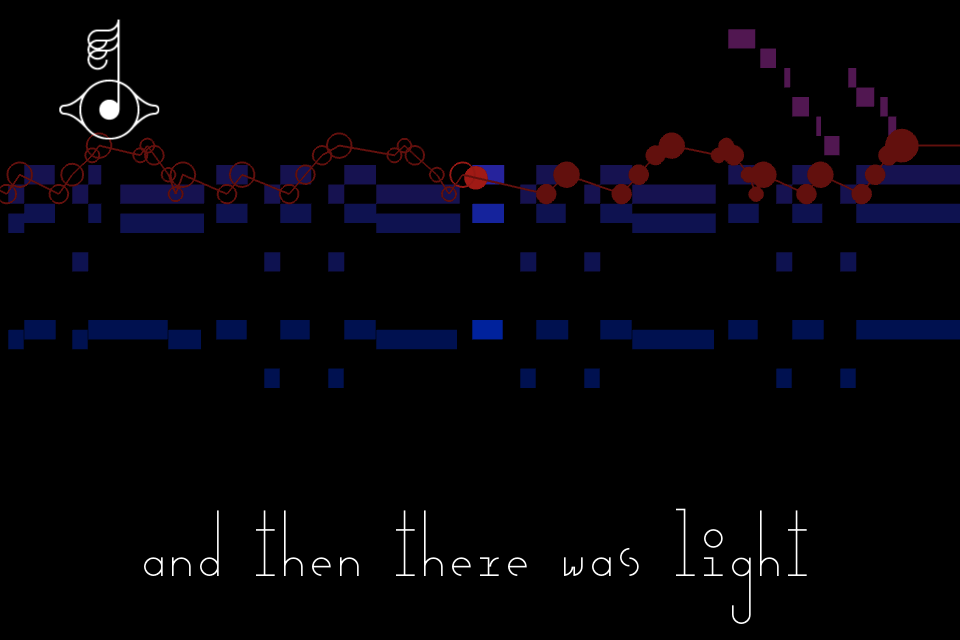






 2020k
2020k 